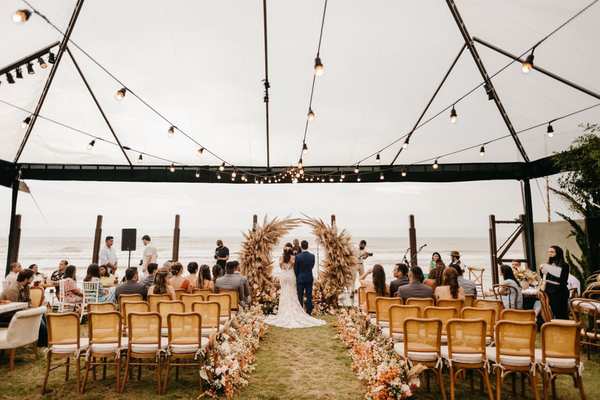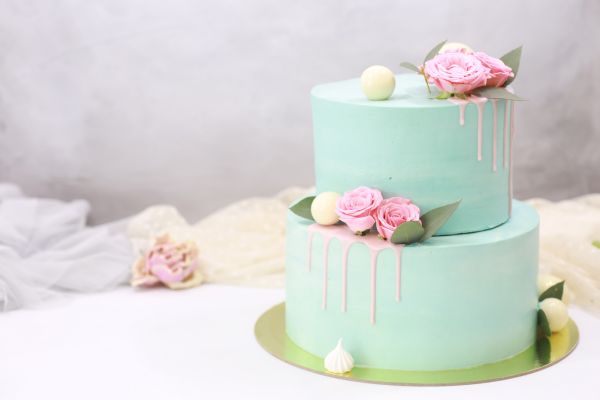
Wedding cakes have always carried a little bit of ceremony within them. They are photographed, sliced, shared, and remembered long after the flowers have faded and the music has quieted. But beyond the design, the tiers, and the frosting, flavor is what gives a wedding cake its personality. It is the part guests actually experience. And when the flavor feels connected to the season, the cake becomes more than a dessert. It becomes part of the atmosphere.
Choosing seasonal wedding cake flavors is not about following strict rules. It is about noticing what feels right for the time of year. A light lemon cake can feel perfect at a garden wedding in May, while a spiced pear or chocolate hazelnut cake may seem made for a candlelit winter reception. Each season has its own mood, ingredients, colors, and sense of comfort. The best wedding cake flavors often reflect that naturally.
Why Seasonal Flavors Make a Wedding Cake Feel More Thoughtful
A wedding menu usually reflects the season in some way. Spring receptions may have fresh herbs and delicate vegetables. Summer celebrations often lean toward bright fruit and chilled drinks. Autumn menus become warmer and more comforting, while winter meals feel richer and deeper. Wedding cake can follow the same rhythm.
Seasonal flavors help the cake feel connected to the day rather than separate from it. They can echo the flowers, the venue, the weather, or even the emotional feeling of the celebration. A strawberry and elderflower cake at a spring wedding feels soft and romantic. A caramel apple cake at an October wedding feels cozy without trying too hard.
There is also a practical side. Ingredients that are in season often taste fresher and more vivid. Berries are brighter in summer. Citrus feels sharper and cleaner in winter. Apples, figs, pears, nuts, and spices feel especially natural in fall. When flavors match the season, they often need less effort to taste complete.
Spring Wedding Cake Flavors with Fresh and Floral Notes
Spring weddings carry a feeling of renewal. The air is softer, gardens begin to bloom, and color returns in a gentle way. Cake flavors for spring often work best when they feel fresh, fragrant, and not too heavy.
Lemon is one of the most loved spring cake flavors, and for good reason. It brings brightness without being overwhelming. A lemon cake with raspberry filling feels cheerful and elegant, while lemon with lavender buttercream has a more garden-inspired feeling. Lemon also pairs beautifully with vanilla, elderflower, blueberry, and white chocolate.
Strawberry is another classic spring choice. Instead of making the cake overly sweet, fresh strawberry filling can add a natural fruitiness. A vanilla cake layered with strawberry compote and lightly whipped buttercream feels simple but special. For a more refined version, strawberry can be paired with rose, basil, or champagne.
Elderflower has become a favorite for spring and early summer weddings because it feels delicate and slightly floral. It works particularly well with lemon, vanilla, and almond cake. The flavor is subtle, so it suits couples who want something different without choosing a cake that feels unusual or risky.
Almond cake is also beautiful in spring. It has a soft, nutty warmth but still feels light when paired with apricot, cherry, raspberry, or orange blossom. It is especially lovely for weddings with a romantic, European, or garden-party feeling.
Summer Wedding Cake Flavors That Feel Light and Bright
Summer weddings often call for cake flavors that feel fresh, juicy, and easy to enjoy. Warm weather can make very dense cakes feel a little too rich, so many couples lean toward fruit, citrus, cream, and tropical notes.
Vanilla with fresh berries is a summer favorite because it feels familiar but never boring. Blueberries, raspberries, blackberries, and strawberries all bring color and brightness. A vanilla bean cake with mixed berry filling can feel relaxed enough for an outdoor wedding but polished enough for a formal reception.
Coconut is another beautiful summer flavor. It brings a light tropical mood without needing to feel like a beach theme. Coconut cake with lime curd feels fresh and sharp, while coconut with passion fruit is more vibrant and playful. Coconut can also pair well with mango, pineapple, or white chocolate.
Citrus cakes are especially refreshing in summer. Orange, lime, grapefruit, and lemon can all work well, depending on the style of the wedding. A lime cake with blackberry filling feels lively, while orange blossom cake has a softer, more romantic character. Grapefruit can be lovely for couples who enjoy flavors that are slightly tart and unexpected.
Peach is one of the most charming summer wedding cake flavors. It has a softness that feels almost nostalgic. Peach with vanilla, honey, brown butter, or bourbon can be beautiful, especially for countryside, vineyard, or outdoor weddings. When used carefully, peach brings sweetness without making the cake feel heavy.
Autumn Wedding Cake Flavors with Warmth and Depth
Autumn is perhaps the richest season for wedding cake inspiration. The colors deepen, the air cools, and flavors naturally become warmer. This is the season for spice, caramel, orchard fruits, nuts, and deeper textures.
Apple cake is a wonderful fall choice, especially when paired with cinnamon, caramel, brown sugar, or maple. It feels familiar, comforting, and festive without being too casual. A spiced apple cake with cream cheese frosting can work beautifully for a rustic wedding, while apple with salted caramel can feel more polished and indulgent.
Pear is slightly more elegant and delicate than apple. A pear and almond cake has a refined softness, while pear with ginger adds a little warmth. Pear also pairs well with honey, vanilla, cardamom, and hazelnut. It is a lovely option for couples who want an autumn flavor that feels graceful rather than overly spiced.
Pumpkin can be a beautiful fall wedding cake flavor when handled with balance. The key is to avoid making it feel too much like a holiday dessert. Pumpkin cake with mascarpone frosting, maple buttercream, or a touch of cinnamon can feel warm and seasonal while still suitable for a wedding.
Caramel is another autumn favorite. It can appear as a filling, drizzle, buttercream, or flavor note within the cake itself. Salted caramel with chocolate is rich and dramatic. Caramel with apple or pear feels seasonal and comforting. Caramel with vanilla or brown butter is simple but deeply satisfying.
Spiced cakes also belong naturally to fall. Cinnamon, nutmeg, cardamom, clove, and ginger can create a cake that feels cozy and aromatic. The best versions are balanced, not overpowering. A spice cake with cream cheese frosting or vanilla bean buttercream can feel warm without becoming too dense.
Winter Wedding Cake Flavors for Rich and Elegant Celebrations
Winter weddings often have a sense of intimacy. Whether the setting is grand and formal or small and candlelit, winter allows for deeper, richer cake flavors. Chocolate, coffee, citrus, nuts, and warm spices all feel especially appropriate.
Chocolate is a natural winter favorite. A dark chocolate cake with espresso buttercream feels elegant and bold. Chocolate with raspberry adds a little brightness, while chocolate with hazelnut feels rich and sophisticated. For a softer version, milk chocolate with vanilla or caramel can be comforting and crowd-friendly.
Red velvet is another popular winter wedding cake flavor because it feels festive without needing much decoration. Its mild cocoa flavor and cream cheese frosting create a balance of richness and tang. It works well for both formal and romantic winter weddings.
Citrus may seem surprising for winter, but it is actually one of the season’s brightest gifts. Orange, blood orange, mandarin, and lemon can bring freshness to a heavier winter menu. A vanilla cake with blood orange curd feels striking and elegant. Orange with dark chocolate is another classic pairing that feels especially suited to cold-weather celebrations.
Hazelnut, chestnut, and almond are also beautiful winter flavors. Nut-based cakes bring warmth and depth without relying only on spice. Hazelnut with chocolate, almond with cherry, or chestnut with vanilla cream can feel refined and memorable.
For couples who like cozy flavors, gingerbread-inspired cake can be lovely. It does not have to taste like a cookie. A soft molasses spice cake with vanilla buttercream or cream cheese frosting can feel wintery, fragrant, and deeply comforting.
Flavor Pairings That Work Across More Than One Season
Some seasonal wedding cake flavors are flexible enough to work in more than one part of the year. Vanilla, chocolate, almond, lemon, and berry combinations can be adjusted through fillings, frostings, and accents.
Vanilla is the most adaptable of all. In spring, it can be paired with strawberry or elderflower. In summer, it works with berries or peach. In autumn, it can be layered with caramel or apple. In winter, it can be matched with cranberry, chocolate, or orange.
Chocolate also changes easily depending on the season. In summer, chocolate with raspberry or cherry can feel bright. In fall, chocolate with salted caramel feels warm. In winter, chocolate with espresso or hazelnut feels rich and elegant.
Almond is another year-round flavor with quiet sophistication. It feels fresh with apricot in spring, lovely with cherry in summer, warm with pear in autumn, and festive with orange or cranberry in winter.
This flexibility is helpful when couples have different preferences. One person may want a classic flavor, while the other wants something seasonal. A familiar cake base with a seasonal filling can satisfy both.
Matching Cake Flavor to the Wedding Style
Seasonal flavor is important, but it should also match the overall style of the wedding. A formal ballroom wedding may call for flavors that feel polished, such as champagne, almond, dark chocolate, or citrus curd. A relaxed garden wedding may suit lemon, berry, lavender, or vanilla. A rustic barn wedding might feel perfect with apple, caramel, spice, or maple.
The venue matters too. A seaside summer wedding may suit coconut, lime, or passion fruit. A vineyard wedding might pair beautifully with fig, honey, grape, pear, or almond. A winter city wedding could carry chocolate espresso, hazelnut, or blood orange with ease.
Still, the cake should not feel like it is trying too hard to match a theme. The best choices usually feel natural. A flavor should make sense when guests take a bite, even if they never stop to analyze why.
Considering Guests Without Losing Personality
A wedding cake is personal, but it is also shared. That balance can make choosing a flavor feel tricky. Some couples worry that a seasonal flavor might be too unusual for guests. The easiest solution is to keep the structure familiar while adding seasonal character through fillings or accents.
For example, lemon cake with raspberry filling feels seasonal but still approachable. Vanilla cake with peach preserves is more familiar than a heavily flavored tropical cake. Chocolate cake with orange buttercream adds winter character without becoming too adventurous.
Multiple tiers can also offer variety. One tier might be a classic vanilla or chocolate, while another carries a more seasonal flavor. This allows the cake to feel interesting without leaving guests confused. It also makes the tasting experience more enjoyable because people can choose what suits them.
Frostings and Fillings That Complete the Seasonal Feeling
The cake itself is only part of the flavor. Fillings and frostings often carry the seasonal mood. Buttercream, cream cheese frosting, ganache, fruit curd, compote, mousse, and whipped fillings can all change the personality of a cake.
Spring cakes often work beautifully with fruit curds, floral buttercreams, and light berry fillings. Summer cakes suit whipped frostings, citrus curds, tropical fruit, and fresh preserves. Autumn cakes come alive with caramel, cream cheese frosting, spiced buttercream, and orchard fruit fillings. Winter cakes can handle ganache, espresso cream, nut praline, citrus curd, and richer buttercreams.
Texture matters as much as taste. A soft vanilla cake with silky lemon curd feels different from a dense chocolate cake with ganache. Both can be wonderful, but they create very different experiences.
How to Choose a Flavor That Feels Like You
Seasonal inspiration is helpful, but the final choice should still feel personal. A couple does not need to choose pumpkin just because the wedding is in October, or lemon simply because the ceremony is in April. The best flavor is one that fits the season and feels enjoyable to the people getting married.
Sometimes the right choice connects to a memory. Maybe peach reminds someone of summer visits to a family farm. Maybe chocolate orange feels like winter holidays. Maybe almond cake tastes like something from childhood. These small connections can make a wedding cake feel more meaningful.
It is also worth thinking about the meal before the cake. After a rich dinner, a lighter citrus or berry cake may feel refreshing. After a lighter menu, a chocolate or caramel cake may be welcome. The cake is part of the whole dining experience, not just the final photograph.
Conclusion
Seasonal wedding cake flavors bring a quiet sense of harmony to a celebration. They connect the cake to the weather, the setting, the menu, and the mood of the day. Spring invites fresh and floral flavors like lemon, strawberry, elderflower, and almond. Summer opens the door to berries, peach, coconut, and citrus. Autumn feels right for apple, pear, caramel, pumpkin, and warm spices. Winter gives space to chocolate, hazelnut, citrus, red velvet, and deeper, cozier flavors.
The most memorable wedding cakes are not always the most unusual. Often, they are the ones that feel beautifully timed. A flavor that belongs to the season can make the cake feel more thoughtful, more natural, and more connected to the celebration itself. When chosen with care, it becomes more than a sweet ending. It becomes one of those small, sensory details that guests remember without even realizing why.