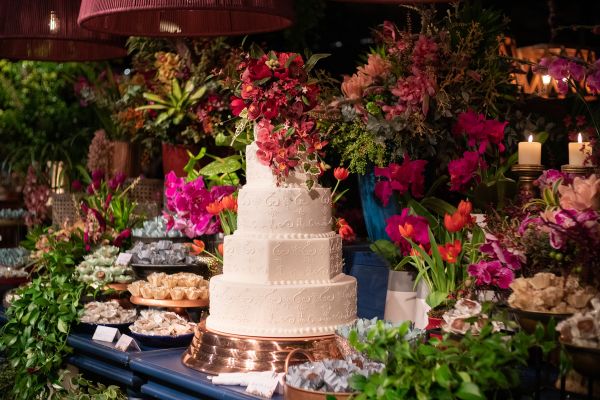
There was a time when wedding desserts followed a fairly predictable formula. A large tiered cake stood in the center of the reception, guests gathered for the ceremonial cutting, and slices appeared quietly at tables sometime later in the evening. Now, dessert has become part of the experience itself. Couples are treating sweets not just as food, but as a visual extension of the celebration.
That shift explains why trendy dessert tables for weddings have become such a defining feature at modern receptions. These setups blend presentation, personality, color, texture, and flavor into one carefully styled display. Some feel romantic and elegant, while others lean playful, nostalgic, or even slightly theatrical. In many weddings, the dessert table becomes one of the most photographed corners of the room.
What makes these tables especially interesting is how personal they have become. Instead of following rigid traditions, couples are building dessert displays that reflect their story, cultural background, favorite flavors, or even shared travel memories. Guests notice those details immediately. A thoughtfully arranged dessert table creates a sense of warmth and curiosity that often pulls people in long before dinner ends.
The trend is not really about excess. The most memorable dessert tables usually succeed because they feel intentional rather than overwhelming.
The Rise of Interactive Dessert Experiences
Wedding receptions have gradually become more experience-driven over the past several years. Guests no longer simply sit through formal traditions; they move through different spaces, conversations, and interactive moments throughout the evening.
Dessert tables fit naturally into that shift.
Unlike plated cake service, dessert stations encourage guests to browse, pause, and choose what appeals to them. Some people reach immediately for miniature cheesecakes, while others linger near macarons or chocolate-covered strawberries. That small sense of choice makes the experience feel more relaxed and social.
Couples are also moving away from overly formal dessert presentations. Instead of one towering centerpiece cake dominating the room, many receptions now feature layered displays with varying heights, textures, and serving styles. The atmosphere feels less stiff and more inviting.
Interestingly, trendy dessert tables for weddings often become conversation spaces. Guests gather there between dances, compare desserts, and return more than once throughout the night. In some receptions, the dessert area becomes nearly as active as the dance floor.
Minimalist Dessert Tables With Clean Styling
Not every wedding dessert display needs dramatic color or extravagant decoration. Minimalist tables have become increasingly popular because they feel calm, modern, and visually balanced.
These setups usually focus on neutral tones, soft textures, and carefully selected desserts rather than sheer variety. White cakes, beige macarons, delicate pastries, and fresh fruit often create a restrained but elegant look.
The styling itself matters just as much as the desserts. Linen textures, ceramic serving pieces, glass stands, and soft candlelight help create an understated atmosphere without feeling empty.
One reason minimalist dessert tables work so well is that they photograph beautifully. Clean arrangements allow individual desserts to stand out naturally without visual clutter competing for attention.
That simplicity also creates breathing room inside busy reception spaces. In weddings filled with flowers, lighting installations, and layered décor, a softer dessert display can actually feel more memorable because it offers visual balance.
Romantic Garden-Inspired Dessert Displays
Garden-inspired styling continues appearing across modern weddings, and dessert tables are no exception. These displays often blend floral arrangements, soft greenery, pastel desserts, and vintage serving pieces into something that feels almost storybook-like.
Fresh flowers woven between cake stands create movement and softness across the table. Edible florals have also become more common in desserts themselves, especially on cupcakes, cookies, and pressed-flower cakes.
The color palettes tend to stay gentle rather than dramatic. Blush pinks, muted greens, ivory, lavender, and soft peach tones frequently appear together.
Outdoor receptions especially benefit from this style because natural surroundings blend seamlessly into the dessert presentation. Even indoor venues sometimes recreate the feeling with climbing greenery and layered floral textures.
What makes these tables appealing is their emotional warmth. They feel less like structured catering displays and more like extensions of the celebration itself.
Vintage and Nostalgic Dessert Trends
Weddings often stir nostalgia naturally, so it makes sense that vintage-inspired dessert tables have become increasingly popular.
Some couples incorporate desserts tied to childhood memories or family traditions. Others lean into retro aesthetics with old-fashioned cake stands, handwritten signage, lace details, or desserts inspired by earlier decades.
Mini pies, pudding jars, homemade-style cookies, and classic layer cakes frequently appear in these setups. The goal is rarely perfection. In fact, slight imperfections often add charm and authenticity.
Nostalgic dessert tables work especially well at barn weddings, backyard receptions, or venues with historic character. The atmosphere feels relaxed and personal rather than overly curated.
There is something comforting about seeing familiar desserts presented thoughtfully. Guests often respond emotionally to flavors and visuals that remind them of family gatherings or celebrations from years earlier.
That emotional connection may be one reason these dessert tables feel so memorable even when the styling itself remains relatively simple.
Dramatic Black-and-White Dessert Styling
At the opposite end of the spectrum, bold monochrome dessert tables have started appearing in more fashion-forward weddings.
Black-and-white styling creates strong contrast and a polished visual effect. Matte black cake stands, white floral accents, dark chocolate desserts, and clean geometric arrangements give the display a modern edge without feeling overly trendy.
These setups often appear at evening receptions with moody lighting and contemporary décor. The desserts themselves sometimes follow the same design language, with marble finishes, metallic accents, or minimalist frosting work.
Interestingly, monochrome dessert tables tend to rely heavily on texture rather than color. Glossy ganache, powdered sugar, smooth buttercream, and crisp pastry layers create visual depth even within a limited palette.
The result feels dramatic without becoming chaotic. In large venues especially, these displays often command attention immediately.
Small Desserts Continue to Dominate Wedding Tables
Miniature desserts remain one of the strongest trends in wedding receptions, and it’s easy to understand why.
Guests appreciate variety. Smaller portions allow people to sample multiple flavors without committing to a large slice of cake. Dessert shooters, bite-sized tarts, mini donuts, petite brownies, and tiny éclairs all contribute to a more playful atmosphere.
Visually, smaller desserts also create abundance. A table filled with varied textures and shapes naturally feels more dynamic than a single dessert centerpiece.
Another advantage is flexibility. Mini desserts work across formal receptions, outdoor weddings, cocktail-style events, and even late-night celebrations.
There is also a practical side to the trend. Guests move around more freely when desserts are easy to pick up and enjoy casually. Formal seated service becomes less necessary, which contributes to the relaxed tone many couples now prefer.
Despite the popularity of miniature sweets, many weddings still include a traditional cake somewhere within the display. The difference is that the cake becomes part of the larger dessert experience rather than the entire focus.
Cultural Influences on Modern Dessert Tables
One of the most interesting shifts in recent wedding styling is the growing influence of cultural desserts and family traditions.
Couples are increasingly blending heritage recipes into contemporary dessert displays. Middle Eastern pastries, Italian cookies, South Asian sweets, French pastries, Mexican desserts, and East Asian confections now appear alongside more familiar wedding desserts.
This creates tables that feel deeply personal rather than generic.
Guests often respond enthusiastically when dessert reflects the couple’s background or family history. It becomes more than decoration; it tells part of the story of the wedding itself.
Even fusion-style dessert tables have become common. A reception might combine classic wedding cake with baklava, mochi, churros, or handmade truffles depending on the couple’s tastes and traditions.
These combinations feel modern not because they follow trends blindly, but because they embrace individuality.
Styling Details That Make Dessert Tables Stand Out
Often, the difference between an average dessert setup and a striking one comes down to smaller design choices.
Height variation creates visual movement across the table. Mixing cake stands, trays, and layered platforms prevents the display from feeling flat.
Lighting also changes everything. Soft candles, warm overhead lighting, or delicate string lights help desserts feel inviting rather than purely decorative.
Texture plays a surprisingly important role too. Smooth icing beside rough linen, polished trays beside rustic wood, or glossy fruit against matte ceramics all create subtle contrast.
Even spacing matters. Overcrowded tables lose elegance quickly, while overly sparse arrangements can feel unfinished.
The strongest trendy dessert tables for weddings usually balance structure with softness. They feel curated without appearing rigid.
That balance takes restraint. Sometimes removing a few decorative pieces improves the overall effect more than adding additional details.
Seasonal Dessert Tables Feel More Authentic
Seasonal desserts have become increasingly popular because they naturally align with the atmosphere of the wedding itself.
Spring receptions often feature lighter flavors, floral accents, berries, and citrus desserts. Summer tables lean toward fresh fruit tarts, frozen treats, and airy pastries.
Autumn weddings embrace warmer textures and flavors like caramel, apple, cinnamon, pumpkin, and maple. Winter dessert tables often feel richer and moodier, incorporating chocolate, espresso, dark berries, and spiced elements.
Seasonal styling tends to feel more grounded and natural than trend-driven displays disconnected from the time of year.
Guests notice that harmony even if they cannot explain it directly. A dessert table that reflects the season feels emotionally consistent with the overall celebration.
Conclusion
Dessert tables have evolved into something far more meaningful than a simple collection of sweets at the edge of a reception hall. They now act as visual centerpieces, social gathering spaces, and subtle reflections of the couple’s personality and style.
The popularity of trendy dessert tables for weddings speaks to a broader shift in how modern celebrations are designed. Couples are moving toward experiences that feel layered, personal, and emotionally memorable rather than strictly traditional.
Some tables lean minimalist and refined, while others embrace romance, nostalgia, dramatic styling, or cultural storytelling. What matters most is not following every trend perfectly, but creating a dessert display that feels connected to the atmosphere of the wedding itself.
In the end, guests rarely remember every decoration detail from a reception. They do, however, remember the feeling of walking toward a beautifully arranged dessert table, pausing under soft lights, and choosing something sweet while conversations and music drift through the room around them.