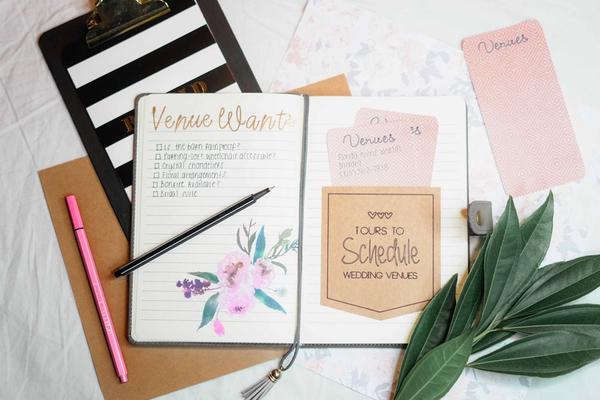
A venue can look perfect in photographs yet feel quite different when 90 guests, a drinks reception and a rainy afternoon enter the picture. A useful wedding venue viewing checklist for UK couples goes beyond decoration. It tests whether the day will actually work, from arrival and ceremony to dinner, dancing and the journey home.
Bring the same questions to every shortlisted venue, and write down answers before visiting the next one. That makes comparisons fairer and helps you spot practical issues before paying a deposit.
Prepare before your wedding venue tour
Ask for a floor plan, current price guide and sample contract beforehand. Take your estimated daytime and evening guest numbers, preferred date, ceremony plans and three non-negotiables. If possible, arrange the viewing at a similar time of day and season to your wedding.
Allow enough time to walk the entire guest route, not simply tour the best-looking rooms. Photograph areas with permission, record exact measurements where relevant and note what is included rather than assuming the display furniture or styling is standard.
Walk through the day as a guest would
Arrival, parking and first impressions
Start at the entrance, not the ballroom. Is the venue easy to find from the main road? Check parking capacity, drop-off points, signs, lighting and routes from nearby accommodation or public transport. Ask whether another event might compete for the same spaces.
Walk the route from parking to the ceremony area. Look for steps, gravel, slopes, narrow doors and exposed stretches. Ask how guests with mobility needs will enter each space, where accessible toilets are located and what assistance can realistically be provided.
Ceremony, drinks and dining transitions
Stand where your guests will sit. Are sightlines clear? Can everyone hear the vows? Ask how chairs, flowers and musicians are positioned, and whether the room must be turned around for dinner. If so, where will guests wait, and how long does the changeover take?
Follow that route to the drinks area and dining space. A venue that comfortably seats 100 for a meal may still feel crowded when everyone arrives at the bar together. Check circulation space around tables, toilets, coat storage and any quiet area for older guests or children.
Weather backup plans that actually fit
For gardens, courtyards and terraces, ask to see the exact indoor alternative, not just hear that one exists. Will it accommodate your full guest count with the same seating arrangement? Who makes the weather decision, when is it made, and are there additional setup charges?
For example, picture a July wedding with 85 guests and a planned lawn ceremony. If rain moves everyone indoors, will that same room also need to be reset for dinner? The answer affects the drinks reception, photographs and schedule. Ask staff to explain that sequence minute by minute.
Inspect the facilities behind the photographs
Realistic capacity and room comfort
Ask for capacities for each layout: ceremony, seated meal, buffet and evening reception. Then picture your own top table, dance floor, band, photo booth and accessible routes. Check heating, ventilation and shade, particularly in converted barns, marquees and rooms with extensive glazing.
Food, drink and service logistics
Discuss menu tastings, dietary requirements, children’s meals, alcohol arrangements and final-number deadlines. Can the kitchen serve everyone at the planned time? Ask about corkage, bar minimums, water provision and what happens when guests arrive late.
Supplier access and setup time
A thorough venue inspection includes the loading entrance, power supply, storage and spaces for photographers, entertainers and caterers. Clarify when suppliers may arrive, whether vehicles can approach the building, what equipment is restricted and when everything must be collected.
Ask about music cut-off times, sound limiters, candles, confetti and decoration fixings. These rules can change your plans substantially even when the venue itself is beautiful.
Check ceremony arrangements and the full price
Confirm what is legally possible
In England and Wales, a civil marriage normally takes place at a register office or approved premises with registrar involvement. Outdoor ceremonies can take place in qualifying grounds of approved premises, subject to the applicable arrangements; a pretty garden alone does not guarantee a legally valid ceremony. Rules differ across the UK, so confirm requirements with the relevant registration authority and venue.
Ask who books the registrar, whether their fee is separate, which locations are available for your date and whether a symbolic ceremony would require a separate legal marriage.
Ask for a written, itemised quotation
Compare like with like. Request the venue-hire fee, minimum guest spend, catering prices, service charges, VAT treatment, furniture, staffing, accommodation, cleaning and any late-finish charges. Check whether seasonal rates or minimum numbers apply. A low headline price can become expensive once essentials are added.
Ask for deposit and instalment dates, rescheduling terms, supplier restrictions and cancellation conditions in writing. UK consumer protections may apply to unfair contract terms, but do not assume every deposit is automatically refundable. Read the actual agreement before committing.
Use a simple scorecard after every viewing
Immediately after leaving, rate each venue out of five for guest access, layout, weather resilience, service logistics, total cost and how confidently the team answered questions. Keep a separate list of unanswered points and request written clarification.
One helpful test is to ask: “What would be most difficult about holding our particular wedding here?” A clear, practical answer is often more reassuring than a polished sales pitch. Use your wedding guest list planning, wedding budget breakdown and wedding day timeline as cross-checks when you compare options.
Frequently asked questions
How many venues should we view?
There is no ideal number. Many couples find that viewing three to five carefully shortlisted options provides a useful comparison without becoming overwhelming. Research accessibility, capacity, location and indicative pricing before booking visits.
What should we bring to a venue viewing?
Bring your estimated guest count, date options, a list of priorities, questions, a phone for permitted photographs and a way to record quotations. Having the same venue viewing checklist for each appointment makes your notes easier to compare.
Can we book a venue before confirming the registrar?
Check registrar availability and the venue’s ceremony arrangements before signing, especially for popular dates. In England and Wales, you must choose the ceremony venue before giving legal notice. The exact process differs elsewhere in the UK.
Should we visit again before paying?
A second viewing can be worthwhile if the first was rushed or key areas were unavailable. Ask to see the wet-weather setup and an example room layout matching your numbers, and request any outstanding commitments in writing.
Choose the venue that works, not just the one that photographs best
The strongest venue choice is a place that suits your guests and your budget while making the day’s movements feel easy. Use the visit to test assumptions, ask specific questions and record clear answers. That practical evidence is what turns an exciting shortlist into a confident booking decision.