A waistcoat can do more for a groom’s outfit than simply add another layer. It brings shape to the torso, introduces colour or texture and keeps the look considered after the jacket comes off. The best groom waistcoat ideas, though, are not necessarily the boldest. They are the ones that work with the suit, the setting and the way the groom wants to feel.
Decide Between a Matching and Contrasting Waistcoat
The matching three-piece approach
A waistcoat cut from the same cloth as the jacket and trousers gives a three piece wedding suit its streamlined appearance. Navy, charcoal and mid-grey are dependable choices because the uninterrupted colour looks smart without demanding attention. This approach particularly suits formal ceremonies, traditional venues and grooms who prefer restrained styling.
There is another practical advantage: when the jacket is removed for dinner or dancing, the groom still looks dressed for the occasion. If the groomsmen wear two-piece suits in the same colour, the groom’s extra layer becomes a subtle distinction.
The considered contrast
A contrasting wedding waistcoat gives a groom room to express personality. Try a soft grey waistcoat beneath a navy suit, warm beige with dark brown tailoring, or muted sage with a light neutral suit. Aim for a connection in undertone or fabric character rather than picking a contrasting colour simply because it stands out.
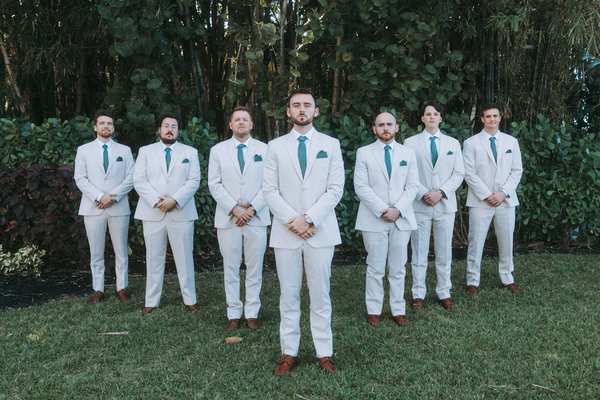
For a wedding party, contrast also helps establish hierarchy. The groom might wear a textured ivory waistcoat while the groomsmen keep their matching navy suits simple. Keep the rest of his accessories quieter so the extra layer remains the focus.
Choose Colours That Suit the Wedding Setting
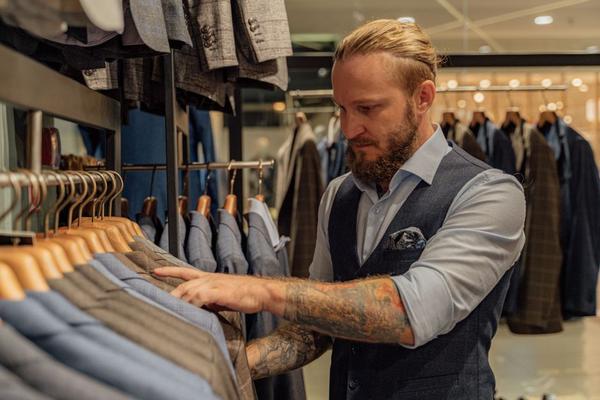
Before committing, compare fabric swatches beside the actual suit rather than relying on product photographs. These pairings offer useful starting points:
Navy and soft grey
A grey waistcoat lightens a navy suit without making the combination feel casual. Choose a medium or pale grey according to the contrast you want, then bring the outfit together with a plain tie.
Earth tones for an outdoor ceremony
Olive, taupe and warm brown work especially well with textured tailoring in garden or countryside settings. A tan waistcoat beneath a chocolate-brown jacket feels deliberate; adding three more earthy accessories can make it look overplanned.
Ivory, stone and champagne
Light waistcoats can look particularly elegant with dark suits. Check their undertones against the shirt and, if relevant, the partner’s outfit. A brilliant white shirt next to a cream waistcoat may create a sharper mismatch than expected.
Use Pattern as an Accent, Not a Competition
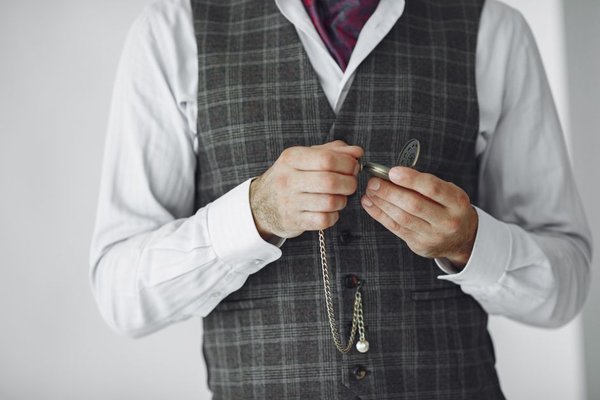
A patterned waistcoat is often the easiest way to make classic tailoring distinctive. Fine checks, understated herringbone and tonal jacquard catch the eye at different distances. Small-scale patterns tend to feel calmer in photographs than large, high-contrast motifs.
Start with the suit. A plain jacket creates space for a patterned middle layer, whereas a strongly checked suit usually benefits from a simpler waistcoat. A patterned tie can still work, but vary the scale and avoid using two equally dominant designs. For an evening reception, a discreet tonal pattern often offers enough interest on its own.
Let Fabric and Season Guide the Choice
Among popular groom vest styles, fabric has as much influence as colour. Smooth wool or a wool-blend waistcoat sits naturally with conventional suiting. Linen and breathable lightweight blends can feel more appropriate for a warm daytime ceremony, although linen’s creasing is part of its character. Tweed and brushed textures lend weight to autumn or winter outfits.
Consider the entire day, not just the ceremony. An outdoor summer wedding followed by a crowded indoor reception may make a heavy three-layer outfit uncomfortable. Ask the tailor about lining and fabric weight, and test the complete outfit in conditions similar to the venue where possible.
Small Design Details Change the Mood
A single-breasted waistcoat is versatile and generally easy to style. A double-breasted design feels more pronounced and can bring an old-school tailored character, particularly when teamed with a classic suit. Lapelled waistcoats add another formal detail, while a clean V-front looks less busy beneath the jacket.
Buttons are worth looking at closely. Matching buttons create a quiet finish; contrasting horn-look or covered buttons introduce texture. On a conventional single-breasted waistcoat, the lowest button is traditionally left undone. Double-breasted styles can follow different fastening conventions, so check the garment’s intended cut.
Fit Matters More Than an Unusual Design
A waistcoat should sit close to the body without pulling across the buttons. It should cover the trouser waistband at the front, preventing a strip of shirt from appearing when standing naturally. The shoulders should lie flat, the armholes should not dig in, and the back adjustment should refine the fit rather than compensate for the wrong size.
Try sitting, reaching forward and raising your arms during the fitting. If the front rides up dramatically or the fabric strains when seated, request an alteration before the wedding. Bring the actual trousers and shirt to the fitting: a waistcoat that looks perfect over jeans may behave differently with the final outfit.
Build the Rest of the Outfit Around It
Once the waistcoat is chosen, keep the accessories purposeful. A solid tie supports a patterned waistcoat; a softly textured tie can complement a plain one. Pocket squares should harmonise rather than perfectly duplicate every shade. Formal leather shoes and a well-fitted shirt finish the outfit without adding visual noise.
For example, picture a late-afternoon garden wedding with navy suits for the whole party. The groom wears a muted sage waistcoat, ivory shirt and navy tie. The groomsmen skip the waistcoat. He remains coordinated with them but clearly distinguishable, and his outfit still looks complete when he removes his jacket.
For more context, compare wedding suit colours, groom accessories and coordinated groom and groomsmen outfits before choosing the final layers.
Frequently Asked Questions
Should a groom’s waistcoat match his suit?
Not necessarily. Matching fabric produces a traditional, cohesive three-piece look. A contrasting waistcoat can introduce personality, especially at a relaxed or daytime wedding. Choose according to the dress code and how prominently you want the waistcoat to feature.
Can a groom wear a waistcoat without a jacket?
Yes, particularly during a relaxed reception or in warm weather. For a formal ceremony, however, a jacket is usually the more appropriate starting point. Make sure the waistcoat fits neatly because it will be fully visible.
Is a patterned waistcoat too much for a wedding?
No. A restrained check or tonal weave can look sophisticated with a plain suit. Keep other patterns limited and check the full combination in natural light before deciding.
Should the groom and groomsmen wear the same waistcoat?
They can, but they do not have to. Matching waistcoats give the group a uniform finish; giving only the groom one, or choosing his in a complementary colour, creates a clear but tasteful distinction.
Make the Waistcoat Feel Like Part of the Suit
The strongest groom waistcoat ideas begin with balance: a colour that belongs with the suit, a texture suited to the venue and a fit that stays sharp throughout the day. Choose one detail to make memorable, then let good tailoring handle the rest.