Choosing a wedding suit colour is about more than picking the shade you wear most often. The right colour should suit the season and venue, work beside the wedding palette, photograph well, and still feel like you. For UK weddings, versatile shades often work better than trend-led choices.
Start With the Venue and Formality
Venue is one of the quickest ways to narrow down wedding suit colours for grooms. A formal city hotel, country house or evening reception usually suits deeper colours such as navy, charcoal or black. A barn, garden, coastal venue or relaxed summer ceremony gives you more room to consider lighter neutrals, softer blues, olive tones or warm browns.
Think about the full day rather than the ceremony alone. A pale beige wedding suit can look excellent outdoors, but if most of the reception is in a dark ballroom, a mid-tone option may feel more balanced. If you are still deciding on the overall look, groom suit styles is a useful related topic to consider alongside colour.
Navy: The Flexible All-Rounder
A navy wedding suit is one of the easiest choices to style because it works across the seasons. Dark navy feels polished enough for formal venues, while brighter or slightly dusty navy shades can look more relaxed in daylight.
Navy pairs comfortably with burgundy, sage, blush, cream and pale blue. Brown shoes soften the look; black shoes make it more formal. If the wedding party will wear navy, ordering from the same range helps avoid shade differences in photographs.
Grey: From Light and Relaxed to Formal
A grey groom suit can move from casual to formal depending on its depth. Charcoal works especially well for autumn, winter and evening celebrations. Mid-grey suits almost any season, while pale grey feels fresh for spring and summer.
Grey is useful when the wedding palette already contains several colours because it acts as a neutral background. Warm greys sit well with ivory and earthy tones, while cooler greys complement blue, lilac and silver. Compare fabric swatches beside the shirt and tie rather than judging the suit alone.
Beige, Stone and Other Light Neutrals
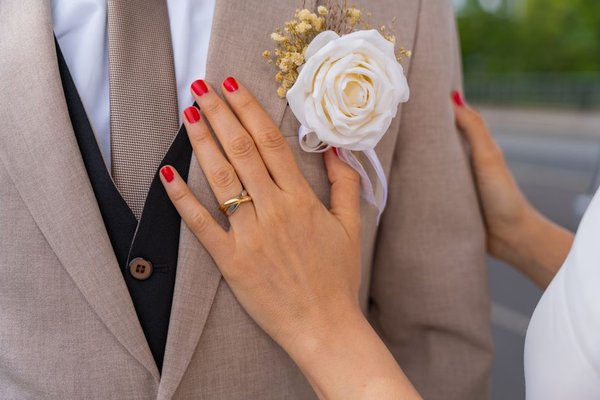
A beige wedding suit works best when the overall style is relaxed, airy or warm. It is a natural fit for summer marquees, garden ceremonies and rustic venues. Stone, oatmeal and light taupe offer a similar softness.
Light neutrals look strongest with a controlled accessory palette. White or ivory shirts, tan or brown leather and ties in sage, dusty blue or muted pink can all work well. Because pale fabrics can appear brighter in direct sun, check the suit outdoors before committing.
When Brown, Green or Black Make Sense
Less conventional suit colour ideas do not need to be loud. Chocolate and mid-brown can feel rich and elegant for autumn weddings. Muted olive or forest green can suit countryside venues and botanical colour schemes without looking gimmicky.
Black remains a strong option for evening weddings and highly formal settings. For a daytime summer celebration, however, it can feel heavier than navy or charcoal. Fabric matters too: linen makes darker colours feel more relaxed, while smooth wool creates a cleaner finish.
Use the Season as a Guide, Not a Rule
Spring often suits softer blues, mid-grey and light neutrals. Summer opens the door to beige, stone, pale grey and lighter navy. Autumn naturally supports brown, olive, charcoal and deeper blue, while winter works well with dark navy, charcoal and black.
These are starting points, not strict rules. Venue, dress code and fabric can matter more than the calendar. A lightweight navy suit can work in summer, just as textured brown can look polished in autumn.
Consider Your Complexion Without Following Rigid Rules
Skin-tone advice can help, but it should not become a formula. The same navy can look different depending on the shirt, tie and lighting. Try several shades near your face in natural daylight and notice which ones make your features look clearer rather than washed out.
If a colour you love feels too strong, a softer shirt or less saturated version of the suit may solve the problem. Wedding tie colours is another useful area to coordinate once the suit shade is settled.
Coordinate With the Wedding Palette, Rather Than Matching It
The groom does not need to wear the wedding colours from head to toe. In most cases, the suit should act as the foundation, with the palette appearing through the tie, pocket square, buttonhole or waistcoat.
For example, imagine a September wedding in a stone country house with sage bridesmaid dresses and cream-and-rust flowers. A mid-brown suit would emphasise the autumn warmth, while deep navy would create more contrast and formality. A sage tie or rust-toned pocket square could connect either suit to the wider palette.
Decide How the Groomsmen Should Relate to the Groom
The groom can wear the same colour as the groomsmen or a related shade for subtle distinction. A dark navy groom with mid-blue groomsmen keeps the group cohesive without making everyone identical. Alternatively, keep the suits consistent and distinguish the groom through the waistcoat, tie or buttonhole.
For larger wedding parties, small colour differences become more obvious in photographs. Groomsmen suit coordination is worth planning before orders are placed.
A Simple Way to Make the Final Choice
Shortlist two or three colours, then compare them under realistic conditions. Wear each with the intended shirt and shoes, view it in daylight and indoor light, and take a few phone photos from a distance. If possible, place a bridesmaid fabric swatch or key wedding colour beside the suit. The shade that works across all these situations is usually a safer choice than one that only looks impressive under showroom lighting.
Frequently Asked Questions
What is the most versatile wedding suit colour for a groom?
Navy is generally the most versatile because it works across seasons, venues and levels of formality. Charcoal and mid-grey are also dependable alternatives.
Can a groom wear a beige suit to a UK wedding?
Yes. Beige and stone can work particularly well for spring and summer weddings, outdoor ceremonies and relaxed venues. Check how the colour looks in both daylight and indoor lighting.
Should the groom’s suit match the bridesmaids?
Usually not. Coordinating tends to look more polished than matching exactly. Let the suit provide a neutral or complementary base, then repeat the wedding palette through smaller accessories.
Should the groom and groomsmen wear the same colour?
They can, but it is not essential. The groom can wear a darker or lighter version of the same shade, or everyone can wear matching suits while the groom uses different accessories.
Choose a Colour That Still Feels Right Years Later
Good wedding suit colour choices balance personality with context. Navy and grey are dependable, beige and stone bring an easy summer feel, and brown or green can add character when they suit the venue and season. Rather than choosing a shade simply because it is fashionable, test it against the real elements of your wedding: the location, light, palette, accessories and the people standing beside you. A colour that works across those details is far more likely to feel right on the day and in the photographs years later.