A smooth wedding reception rarely happens by accident. The best celebrations feel relaxed because the practical decisions have already been made: suppliers know where to go, guests can move comfortably between spaces, food service fits the timetable, and the evening has enough structure without feeling over-managed. A useful wedding reception planning checklist should connect layout, people, suppliers and timings so every part of the reception supports the next.
Start with the room before choosing the details
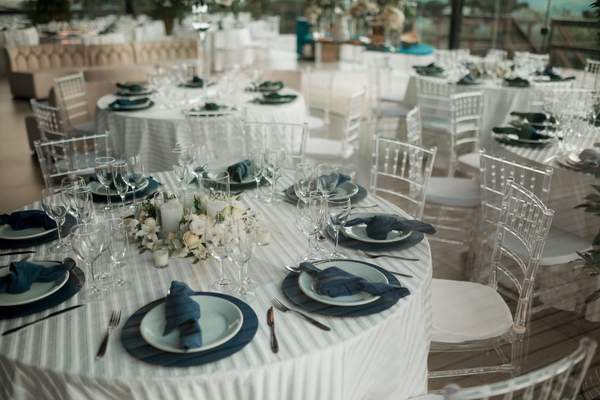
Map the reception space as guests will actually use it. Confirm the venue’s capacity, table shapes, dance-floor position, bar, toilets, entrances, emergency exits and supplier access. Then think about movement. Guests should be able to reach their seats, the bar and the dance floor without squeezing past service stations or crossing busy catering routes.
Ask for a scaled floor plan if available. Mark tables, chairs, the top or sweetheart table, entertainment, cake table, gift area and any photo booth or lounge furniture. Leave clear routes between high-traffic areas. A beautiful layout that creates bottlenecks at the bar or blocks servers will feel awkward once the room is full.
For wider scheduling, an internal guide such as wedding day timeline planning can support this stage.
Build the seating plan around guest flow
Seating is one of the most important reception planning tasks because it affects conversation, accessibility and service. Older relatives may prefer seats away from loud speakers. Guests with mobility requirements may need easy access to entrances and toilets. Families with pushchairs or young children may need a little extra room around the table.
Confirm whether caterers need final names, meal choices, allergies or dietary requirements attached to specific seats. If so, make sure the table plan and catering list use the same names and table numbers. That simple cross-check can prevent confusion during service.
Test the plan from a guest’s point of view
Imagine a guest arriving, finding the seating plan, locating a table and later moving to the bar or dance floor. If any step feels unclear on paper, it will probably feel less clear in a busy room. Simple signage and obvious routes are usually more useful than extra decorative signs.
Coordinate catering, speeches and room resets
A wedding reception timeline should reflect how long real tasks take, not just ideal start times. Ask the caterer how long they need to serve and clear each course. Ask the venue whether furniture must move before dancing begins. If dinner and dancing use the same space, confirm who handles the reset and how long it usually takes.
For example, if speeches follow the main course but staff need time to clear plates and pour drinks, build that transition into the schedule. Starting speeches while staff are moving through the room creates noise and distractions for guests, speakers and the photographer.
Keep some flexibility. Receptions often run a few minutes ahead or behind, so protect the key moments rather than trying to control every minute.
Give every supplier an arrival and access plan
Do not assume suppliers know where to park, unload or set up. Send each one the venue address, access instructions, arrival time, contact person and restrictions. DJs and bands may need significant setup time, especially if equipment must be carried through guest areas. Florists, cake makers and rental companies may also need access before the room is fully dressed.
Your wedding reception checklist should identify who checks each delivery. If you do not want calls on the day, nominate a coordinator, venue manager or trusted person to handle supplier questions. Share the final evening reception plan with everyone who genuinely needs it.
A guide to choosing wedding suppliers would be another natural internal reference here.
Plan the handover from dinner to evening celebration
Decide when evening guests arrive, when the first dance happens and when entertainment begins. If the venue uses different rooms for dining and dancing, make the transition obvious so guests know where to go.
Check the smaller details too. Will evening food be served? Does the band need a meal or break area? Where will coats and gifts be stored? When will the cake be cut? Who announces the first dance if there is no master of ceremonies? Answering these questions helps the evening feel intentional rather than improvised.
Protect the final hour of the reception
Confirm the venue’s music cut-off, bar closing time and guest departure deadline. Arrange taxis, coaches or designated transport where needed, and tell guests about transport before the final song. Decide who takes gifts, cards, leftover cake, decorations and personal items home.
Also confirm which suppliers collect equipment that night and what can remain until morning. One named person should know what belongs to you, the venue and each supplier.
Final checks for the week of the wedding
In the final week, focus on confirmation rather than redesigning the reception. Recheck guest numbers, seating, dietary requirements, supplier arrival times, venue access, speeches, entertainment cues, transport and end-of-night collections. Send the latest schedule to the venue and key suppliers, clearly dated so nobody uses an older version.
Keep one concise master copy with essential phone numbers. A detailed planning file is useful beforehand, but on the day the people running the reception need an operational version they can scan quickly.
A broader wedding planning checklists guide can be a useful internal next step.
Frequently asked questions
When should I start planning the wedding reception?
Start once the venue and approximate guest count are known. Major choices such as catering, entertainment and room layout should be developed early, while the final seating plan and detailed timings can be completed after guest responses are confirmed.
What should be included in a wedding reception timeline?
Include supplier access, guest arrival, seating, meal service, speeches, cake cutting, room changes, first dance, entertainment, evening food, last orders, final song and guest departure. Add realistic transition time between major moments.
Who should manage the reception on the wedding day?
A venue coordinator, wedding planner or trusted designated person should handle operational questions. Suppliers need one clear point of contact so the couple is not interrupted by setup or timing issues.
How much flexibility should the schedule have?
Allow breathing room for normal delays without creating long empty gaps. Protect fixed deadlines such as catering service, entertainment setup and venue closing time, while letting social moments move naturally where possible.
Bring the whole reception together
The strongest plan connects every decision. Seating affects service, service affects speeches, speeches affect the room reset, and the reset affects the evening celebration. Work through the reception in the same order guests and suppliers will experience it, then confirm who owns each task. With clear access instructions, realistic timings and an end-of-night plan, the celebration can feel effortless even though careful organisation is working behind the scenes.