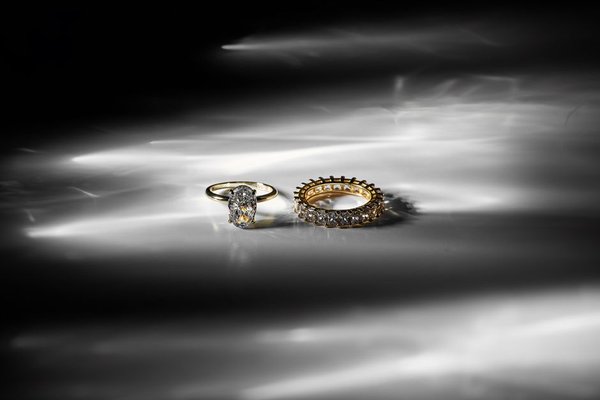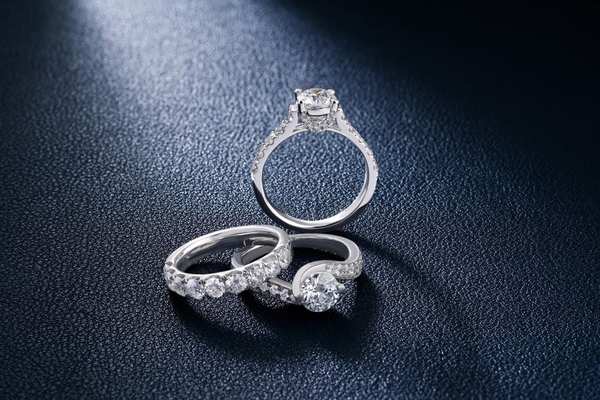
Lab-grown diamond engagement rings have moved from a niche alternative to a mainstream option for UK buyers, but the decision is more nuanced than simply choosing the less expensive stone. A laboratory-grown diamond can look, wear and sparkle like a mined diamond because it has the same fundamental crystal structure and is made of carbon. The main differences are origin, production method, market value, disclosure and the way grading information is presented. Understanding those points makes it easier to compare rings on their merits rather than relying on marketing labels.
What makes a laboratory-grown diamond different?
Laboratory-grown diamonds are produced in controlled conditions using two main methods: High Pressure High Temperature, known as HPHT, and Chemical Vapour Deposition, or CVD. Both can create gem-quality diamonds suitable for engagement rings.
They are not the same as diamond simulants such as cubic zirconia or moissanite. Simulants may resemble diamonds, but they have different chemical and physical properties. A laboratory-grown diamond is a manufactured diamond, while a mined diamond formed naturally underground over geological time. For many couples, that difference in origin and story is as important as appearance.
Why price is often the first attraction
For shoppers comparing lab grown diamonds UK retailers offer, price is usually the clearest practical advantage. Laboratory production has increased supply, so a laboratory-grown stone will commonly cost less than a mined diamond with broadly comparable size and quality characteristics.
That can change how an engagement-ring budget is used. One buyer may choose a larger centre stone, while another may keep the same carat size and spend more on the setting, wedding band or craftsmanship. A useful real-world test is to ask a jeweller to price the same ring design twice: once with a laboratory-grown centre stone and once with a mined stone of similar appearance and quality. Comparing the complete prices, reports and warranties shows what the origin difference actually means for your budget.
Mined vs lab grown diamonds: quality is not decided by origin
Origin does not automatically make one diamond better cut, clearer or more attractive. Visual quality still depends heavily on cut, proportions, colour, clarity and carat weight. A well-cut smaller stone can look more lively than a larger diamond with weaker proportions.
When viewing a ring, pay attention to brightness and contrast in ordinary lighting rather than only under jewellery-store spotlights. For round brilliants, cut quality deserves particular attention because it strongly influences sparkle. With shapes such as ovals, cushions and pears, also check the outline, symmetry and any obvious dark areas. Comparing several stones side by side is often more useful than chasing a single specification on paper.
What lab diamond certification really tells you
Independent assessment helps confirm that a stone is laboratory-grown and records useful quality information. However, not every grading organisation uses identical terminology. IGI laboratory-grown diamond reports can include 4Cs assessments. GIA changed its approach for colourless-to-near-colourless laboratory-grown diamonds in October 2025 and now uses an overall quality assessment of Premium or Standard rather than applying its natural-diamond colour and clarity nomenclature in the same way.
When comparing synthetic diamond rings, therefore, do more than check whether a certificate exists. Identify the laboratory that issued it, verify the report number through the laboratory’s official report-check service and understand what its grades or categories mean. Documentation is valuable evidence about the stone, but it does not replace seeing how the diamond actually looks.
UK buyers should expect clear wording
Terminology matters because buyers need to know whether a diamond is mined or manufactured. UK advertising guidance requires clear distinction, with terms such as laboratory-grown, laboratory-created or synthetic used to describe manufactured diamonds rather than presenting the word diamond alone in a potentially confusing way.
Apply the same standard when shopping. A reputable jeweller should make the stone’s origin clear on the product page, during the consultation, on the receipt and in accompanying documentation. If the wording becomes vague, ask for written confirmation before paying a deposit.
Are laboratory-grown diamonds automatically more ethical?
Laboratory-grown diamonds avoid diamond mining, which can appeal to buyers concerned about land disturbance or mining-related social issues. Yet it is too simplistic to describe every laboratory-grown diamond as automatically sustainable or ethical. Production requires energy, and environmental impact varies with the technology, electricity source, manufacturing efficiency and supply chain.
Ask specific questions instead of relying on broad claims. Where was the diamond grown? Does the supplier identify the energy source? Are environmental claims backed by evidence? Is the ring made from recycled or traceable precious metal? Transparent answers are more useful than a sweeping green label.
Think about long-term value before buying
An engagement ring is normally bought for personal meaning rather than investment, but future value still deserves consideration. Laboratory-grown diamond prices have changed as production has expanded, and resale values can be less predictable than buyers expect. A lower purchase price may still make excellent sense if your priority is appearance and budget efficiency, but do not buy on the assumption that the stone will retain a particular percentage of its original price.
Also ask about returns, resizing, repairs, insurance valuations and any upgrade or trade-in policy. Keep the receipt and grading documentation together. These practical details can matter long after the initial choice between laboratory-grown and mined stones has been made.
Frequently asked questions
Are lab-grown diamonds genuine diamonds?
They are diamonds produced by manufacturing rather than geological formation and have the diamond crystal structure and chemical composition. They are different from simulants such as cubic zirconia or moissanite. Their laboratory-grown origin should still be disclosed clearly.
Do lab-grown diamond engagement rings look different from mined diamond rings?
Not necessarily to the naked eye. Well-cut laboratory-grown and mined diamonds can have very similar brilliance and appearance. Specialist testing is used to determine origin reliably.
Should I insist on lab diamond certification?
For a significant purchase, independent documentation is valuable because it confirms origin and records quality information. Check who issued the report and verify its number directly with that organisation.
Are lab-grown diamonds a good choice for an engagement ring?
They can be a strong choice for buyers who prioritise visual size, design flexibility and a lower initial stone cost. Buyers who place greater value on geological rarity, traditional provenance or different resale characteristics may prefer a mined diamond.
Choosing the ring that fits your priorities
Lab grown diamond engagement rings UK buyers encounter now cover a wide range of designs and qualities. The best purchase is not based on a claim that one origin is universally better. Compare appearance, independent assessment, clear disclosure, environmental evidence, jeweller policies and total ring price. When those details are transparent, you can choose the ring that best matches your budget, values and expectations.