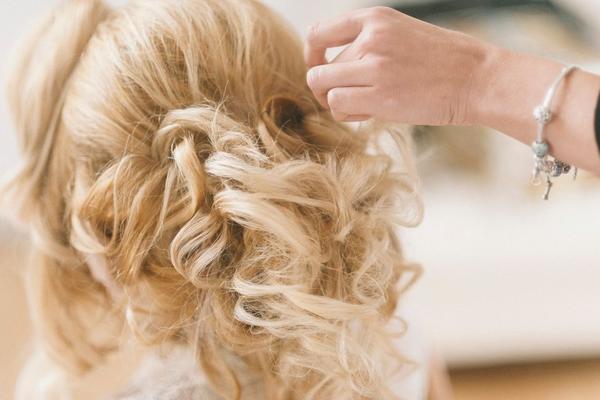
A bridal updo can look polished in photographs and still feel like you on the dance floor. The secret is choosing more than a pretty silhouette. Height, tension, texture and the way a veil attaches all affect how the finished style looks and wears. Some bridal updo hairstyles create a crisp, architectural shape; others allow soft movement around the face. Knowing the difference makes reference photos easier to discuss with your stylist.
Classic wedding updos with a timeless shape
The sleek low bun
A low bun sits close to the nape, keeping the neckline clear and the outline tidy. It pairs beautifully with minimalist gowns, dramatic earrings and a veil secured above the bun. A centre part feels modern and precise, while a soft side part looks more romantic. Sleek bridal bun hairstyles need careful smoothing around the hairline, but they should never feel painfully tight.
The French twist
For a graceful vertical shape, the French twist gathers hair upward against the back of the head. It can look understated from the front and striking in profile. This is lovely with a high-neck dress or sculptural gown. Ask to see the back and side during your trial: the twist’s height determines where a comb, pin or veil can sit securely.
The softly structured mid-height bun
Not every classic bun belongs at the nape. A mid-height style lifts the shape off the collar and gives hair more presence in front-facing photographs. It works when a low bun would compete with an embellished neckline. Keep the surface smooth for a formal look, or add separation for something less severe.
Modern and relaxed bridal updo ideas
The textured chignon
A textured bridal updo uses loops, folds and gentle volume rather than a flat finish. A chignon can sit low and slightly off-centre, with pieces arranged to look effortless even though the underlying structure is secure. This version of chignon wedding hair suits lace, flowing fabrics and garden ceremonies. Intentional softness comes from controlled placement, not leaving the entire style loose.
The braided updo
A braid can wrap around a bun, travel along one side or form part of a low gathered style. It adds detail without oversized accessories. On highlighted hair, woven sections often show beautifully. For finer hair, a stylist may gently expand the braid to create fullness while keeping its anchor points firm.
The airy high bun
A higher bun brings focus toward the face and can balance a simple neckline. Unlike a tightly pulled ballerina bun, an airy version has subtle lift at the crown and a softer perimeter. Check its profile: too much height may change the proportions you loved in the inspiration image. Consider the weight of extensions before choosing a large shape.
Choose the finish around your face, not just the back
Wedding updos are often saved from photographs taken behind the bride, yet many portraits happen face-to-face. Decide whether you prefer tucked-back sides, gentle volume at the temples or a few shaped tendrils. A centre part offers symmetry; a side part creates a sweeping line. Neither is universally more flattering.
If you usually wear your hair down, a slicked-back trial may feel unfamiliar. Start with two soft pieces near the cheekbones, then take photographs with and without them. Outdoors, very long loose tendrils can become distracting, so shorter, intentionally curled pieces may be easier. Explore bridal hairstyles for different hair lengths before assuming you need extensions: placement and pinning can matter more than length.
Veils, combs and accessories: test the attachment
An accessory should work with the hairstyle’s structure rather than balance on top of it. Low buns often accommodate a veil comb above the bun, while some chignons allow a comb beneath the gathered hair. A French twist may leave less space for a wide comb. Ask exactly where the attachment will go and whether removing it later could disturb the pins.
Pearl pins can accent folds in a textured style without hiding them. A statement comb may look best against a simpler bun, and delicate flowers can soften a formal silhouette. Bring the actual veil and accessories to the trial whenever possible. Our guide to choosing wedding hair accessories can help narrow your options.
Comfort and staying power throughout the day
A wedding hairstyle needs to survive more than the ceremony. Think about hugs, photographs, travel between venues, humid air and hours of dancing. Strong preparation and well-placed anchors generally matter more than coating every strand in hairspray. Hair texture, weather and the weight of added hair affect the support required.
During your trial, turn your head, look down and wear the updo for a while. If it pinches or creates a headache, say so. Secure should not mean uncomfortable. For an outdoor ceremony, ask for a finish that tolerates movement instead of expecting every flyaway to remain invisible. Pack spare pins and a little recommended finishing product, but avoid attempting a full rebuild yourself.
A useful bridal hair trial checklist
Imagine a bride wearing a fitted dress with an open back, a fingertip veil for the ceremony and no veil at the reception. A low textured chignon may display the dress detail, hold a veil comb above the gathered section and remain attractive after the comb comes out. Testing that removal matters as much as testing the first look.
Bring pictures from the front, side and back, plus a photograph of the dress neckline. Tell your stylist if your hair slips from pins, frizzes in humidity or feels heavy when worn up. Ask for photos in natural light and notice how comfortable the style remains after moving. Compare the result with your planned bridal makeup look rather than judging the hairstyle in isolation.
Frequently asked questions
Are bridal updos suitable for short hair?
Often, yes. A bob may be pinned into a compact low shape or a partial updo, depending on its length and layers. Very short cuts may need a different approach or optional extensions. A stylist can assess what is realistic at a trial.
Which bridal updo works best with a veil?
There is no single winner. A low bun is a versatile starting point because a comb can often sit above it, but the right choice depends on veil weight, comb design and the hairstyle’s anchor points.
How do I keep a relaxed updo from falling out?
Ask for a firm hidden foundation with looseness added only to selected outer sections. A relaxed appearance should not require loose structural pins. Test movement and weather considerations at your trial.
Should I wash my hair on the wedding morning?
Follow your stylist’s preparation instructions. Some styles benefit from freshly washed, fully dried hair; others hold better with particular products or preparation the day before. There is no universal rule for every hair type.
Find the updo that feels like yours
The best bridal updo hairstyles balance the silhouette you love with a fit that lasts. Compare sleek buns, sculptural twists and softer chignons from every angle, then check how each works with your dress, veil and natural texture. A thoughtful trial turns a beautiful reference image into a hairstyle you can comfortably wear from your first photograph to your last dance.