A wedding morning can feel surprisingly short once hair appointments, makeup, dressing, and photographs are all on the calendar. The key to a workable wedding day makeup timeline is not simply choosing an early start. It is deciding when everyone must be camera-ready, then building the beauty appointments backward from that deadline.
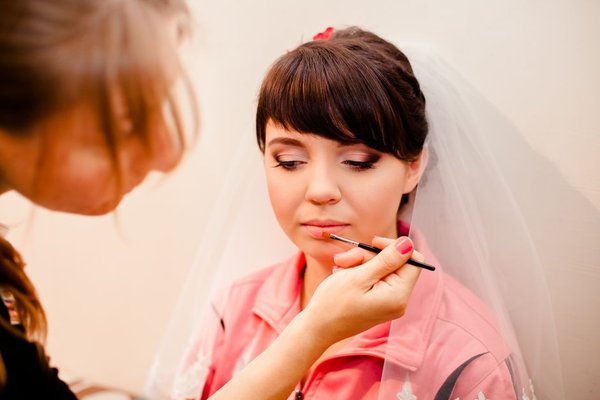
For most weddings, allow roughly 60 to 90 minutes for the bride’s makeup and 30 to 60 minutes for each attendant’s makeup, depending on the artist and the look. These are planning estimates, not promises. Confirm actual service times with your makeup team before putting the schedule in writing.
Start With the Photo Deadline, Not the Ceremony Time
Your ceremony may begin at 3 p.m., but that does not mean makeup can finish at 2:30. A first look, wedding-party portraits, travel, and getting dressed may all happen earlier. Ask your photographer what time the bride needs to be fully dressed and available for pictures. That is the most useful anchor for the bridal makeup schedule.
Work backward from the first photo that requires finished makeup. Reserve approximately 30 to 45 minutes for dressing and final adjustments, plus a 15- to 30-minute buffer before that. If the gown has complicated fastenings or you are changing locations, allow longer.
What Counts as Finished?
There are two different milestones: makeup finished and completely ready for photographs. The second includes the dress, accessories, hair adjustments, and any final lipstick or powder. Writing both times into your wedding morning timeline helps prevent a seemingly small delay from eating into portraits.
How Long Should Each Makeup Appointment Take?
A straightforward bridesmaid look may take around 30 to 45 minutes, while a more detailed application, additional skin preparation, or lashes can take closer to an hour. Bridal makeup often needs 60 to 90 minutes because the artist may spend longer perfecting coverage, eyes, and finishing details. Trial appointments help establish realistic estimates for your chosen style.
Hair appointments also need to be accounted for. If separate professionals are working, they can serve different people at the same time, which shortens the overall getting-ready window. Nobody should be double-booked for hair and makeup.
Sample Wedding Day Makeup Timeline for a 3 p.m. Ceremony
Imagine a bride, four bridesmaids, and one mother all receiving makeup. The couple has a first look at 12:30 p.m., and the photographer wants the bride dressed and ready by noon. Two makeup artists are available, alongside a separate hairstyling team.
At 8 a.m., the makeup artists arrive and arrange their stations. Appointments begin around 8:30. Each artist rotates through attendants in approximately 45-minute blocks, with small gaps for cleaning brushes and switching clients. The bride takes a dedicated 75-minute slot later in the morning, allowing her makeup to remain relatively fresh for portraits.
The goal is for all makeup to finish by about 11:15 a.m. That leaves room for touch-ups, dressing between 11:30 and noon, and a calm transition to the first look. A detailed appointment grid should be approved by both artists; the example assumes the hairstyling team can coordinate without double-booking anyone.
With only one makeup artist, these six appointments represent roughly five hours of application before setup and breaks. An 8:30 a.m. start would therefore be too late for the same photo deadline. You would need a much earlier call time, fewer services, or another artist. That calculation matters more than copying somebody else’s online timeline.
Decide Who Goes First and When the Bride Sits Down
Bridesmaid makeup timing should reflect practical needs rather than rank in the wedding party. Someone helping with decorations or leaving early for family photographs may need an earlier appointment. Someone who tends to run late should not be given a slot that controls the whole schedule.
The bride is often best placed in a middle or later slot, but not necessarily last. Finishing too early creates a long gap before portraits; finishing last makes every small delay her problem. Choose a position that gives the artist uninterrupted time and still leaves a comfortable cushion before dressing.
Share the order with everyone the night before. Ask each person to arrive with a clean face and follow the artist’s skincare instructions. People should be nearby when their appointment begins, rather than searching for coffee or unpacking a suitcase.
Coordinate Makeup With Hair, Photos, and Getting Dressed
Hair first and makeup second often works well, especially when heated styling tools or hairspray might disturb freshly applied products. Still, the exact order depends on the hairstyles, products, and staffing. Your professionals should decide the flow together, rather than treating two separate lists as independent schedules.
Make sure attendants are dressed before formal group photographs, and decide whether matching robes or pajamas will be worn during preparation photos. If anyone needs to pull clothing over finished hair and makeup, choose a button-down top or robe while getting ready.
A wedding morning checklist can help organize accessories, rings, shoes, and small details before the photographer arrives. A separate first-look photography timeline is useful for checking travel time and deciding precisely when the couple must leave the getting-ready room.
Build Buffer Time Without Making Everyone Wait All Morning
Add a little space where delays are most likely: after artist setup, between service changes, and just before the bride gets dressed. A 15- to 30-minute shared cushion near the end is often more useful than adding ten minutes to every appointment and creating a needlessly early start.
For a large bridal party, ask about adding another professional instead of automatically moving the first appointment into the middle of the night. Extra staffing costs money, but it may protect sleep, energy, and photography time.
Frequently Asked Questions
How early should wedding makeup start?
There is no universal starting hour. Determine your dressed-and-ready deadline, total the appointments each artist must complete, then add setup and buffer time. A morning start may work for a later ceremony, while a large bridal party with an early first look may need several artists.
Should the bride have her makeup done first or last?
Usually neither extreme is necessary. A middle or later appointment can keep makeup fresh without putting the entire wedding morning at risk if the session takes longer than planned.
How much time should I leave after makeup?
Allow time for final touch-ups and getting dressed, commonly at least 30 to 45 minutes in total, with additional breathing room for complicated outfits, travel, or photographs. Coordinate the exact window with your photographer and beauty team.
Can bridesmaids do their own makeup to save time?
Yes, if everyone is comfortable with that arrangement and the finished looks suit the couple’s preferences. Make clear who is receiving professional services so the artist does not discover unexpected extra appointments on the wedding morning.
A Calm Finish Starts With a Clear Schedule
The most useful bridal prep schedule is one that accounts for the entire morning, not just the minutes spent in a makeup chair. Confirm each service length, coordinate hair and photography, give the bride a firm ready-by time, and keep a little flexibility for the unexpected. When everyone knows where to be and when, the morning has room to feel like a celebration.