A spray tan can add warmth to your wedding look, but the difference between a soft glow and a patchy finish often comes down to timing. Apply it too late and the colour may still be developing while you get dressed. Apply it too early and your hands or neckline may already be fading. Planning ahead makes the result more predictable.
When should you get a spray tan before your wedding?
For most brides, about two days before the ceremony is a sensible starting point. This allows time for the recommended rinse, further colour development and temporary guide bronzer to wash away. Products vary, so follow your technician’s instructions rather than assuming all solutions need the same rinse time.
For a Saturday wedding, a Thursday appointment often works well. You can rinse as instructed, assess the developed shade on Friday and avoid rushing on the wedding morning. Some people prefer three days beforehand, particularly when their chosen formula looks better after settling. A trial helps establish your ideal wedding tan timing.
Book a bridal spray tan trial
Arrange a trial three to four weeks before the wedding, or earlier if your skin is sensitive. Ideally, schedule it near a dress fitting, makeup trial or engagement photo session. You can see how the colour appears against ivory fabric, in daylight and alongside your usual makeup.
Ask for a believable shade rather than the darkest option. A subtle change generally blends more naturally with your face and looks less dramatic beside an untanned partner or wedding party.
Your spray tan prep timeline
Five to seven days beforehand
Stick with familiar, gentle skincare products. Avoid a new peel, strong exfoliating treatment or unfamiliar body lotion close to the appointment. Schedule waxing well ahead so redness or irritation has time to settle. If you have a skin condition or recent reaction, check with a healthcare professional before tanning.
One to two days beforehand
Exfoliate gently to remove loose surface skin, concentrating on elbows, knees, ankles and dry areas. Do not scrub until your skin is sore. Shave early enough for any irritation to subside rather than immediately before the spray.
Moisturise dry areas during the preceding days, but arrive with clean, dry skin unless your technician requests a particular barrier product. Heavy oils, lotion, deodorant or perfume on application day can interfere with even coverage.
On the day of your appointment
Choose loose, dark clothes and slip-on shoes. Tight leggings, fitted bras and socks can rub against freshly sprayed skin. Avoid workouts, heavy sweating and rain while the solution develops. Ask the technician exactly when and how to take your first shower; rapid-rinse solutions and traditional formulas may have very different instructions.
After the first rinse, pat rather than rub yourself dry. Give the colour time to finish developing before deciding whether it is too light. The immediate bronzer you see in the mirror is not necessarily the final shade.
How to protect a white wedding dress from transfer
Transfer is a particular concern when planning a fake tan wedding look with a pale gown. Some products contain temporary guide colour that can mark fabric before it is rinsed away. The developed tan, by contrast, colours the outermost skin cells rather than simply coating them with makeup.
Finish the recommended rinse before dress fittings or bridal preparations. Avoid last-minute self-tanner, bronzing body makeup or oily products near your neckline. Rinsing helps reduce residue, but sweat and friction mean no salon can promise zero marks on white fabric.
Think about contact points: a fitted bodice, straps, underarms and a tight waistband. When putting on your dress, ask someone to help and use a clean protective cloth if needed. Discuss your gown’s fabric and your salon’s guide-colour formula during the trial.
What looks good in wedding photographs?
Photography can exaggerate differences between your face, chest and arms. During the trial, look at the tan beside a window and under indoor lighting. Check your hands against your forearms, especially if your bouquet will draw attention to them.
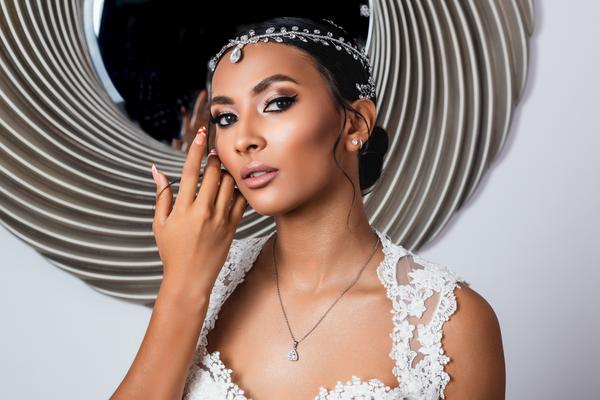
Tell your makeup artist about the tan before foundation is matched. If your technician avoids spraying your face, a considered makeup shade can create a smoother transition. You do not need every body part to be equally dark; you need an overall look that feels cohesive.
A bridal skincare timeline, a wedding makeup trial checklist and a pre-wedding hair removal schedule are useful companion guides to review before booking your final appointments. Coordinating these decisions avoids last-minute clashes.
Common mistakes that cause streaks or uneven fading
Booking your first-ever spray tan the night before the wedding leaves little time for adjustment. Other common mistakes include aggressive exfoliation after tanning, tight clothing immediately afterward, ignoring rinse instructions or waxing once the colour has developed.
Long hot baths, swimming, frequent scrubbing and friction can shorten the tan’s life. If you notice one dark patch on the wedding morning, resist vigorous rubbing, which may leave a conspicuous pale spot. Ask your tanning professional for targeted advice rather than layering on more product.
Safety matters too. Most sunless tanning formulas use dihydroxyacetone, or DHA, to colour surface skin. The US Food and Drug Administration advises protecting eyes, lips and mucous membranes and avoiding inhalation or ingestion of tanning mist. Ask your salon how it limits exposure. Remember that a spray tan provides no reliable protection from UV rays; use broad-spectrum sunscreen outdoors.
Frequently asked questions
Is one day before the wedding too late?
Not necessarily, but it leaves less time for the rinse, further colour development or unexpected corrections. Two days is often a more forgiving plan, depending on your formula and trial results.
Will a bridal spray tan stain a white dress?
Temporary guide bronzer may transfer before rinsing, while sweat and friction can still create some risk afterward. Rinse as directed and avoid applying fresh bronzing products near the gown.
Should I get my nails done before or after tanning?
Many brides prefer manicures and pedicures beforehand. Soaking, scrubbing or exfoliating hands and feet afterward may lift colour unevenly. If a nail appointment must come later, request gentle handling.
How long does a spray tan last?
The colour commonly fades over approximately five to ten days as surface skin cells shed. Skin type, bathing and friction affect how evenly it fades. Gentle moisturising can help.
A calm finish to wedding beauty prep
The best spray tan before a wedding looks like a natural part of your overall style, not a last-minute addition. Test the shade, leave time for development, prepare your skin gently and think through your dress and makeup. With those details settled, the glow can be one less thing on your mind.