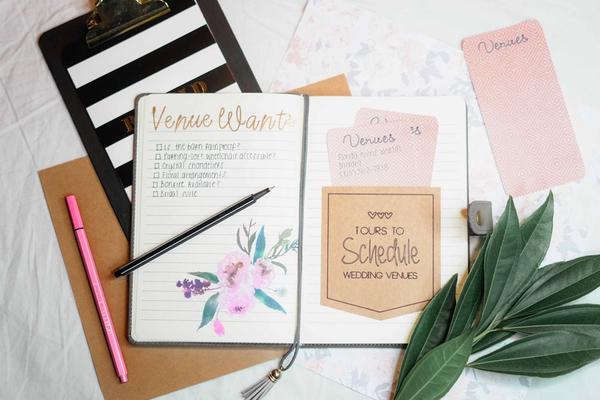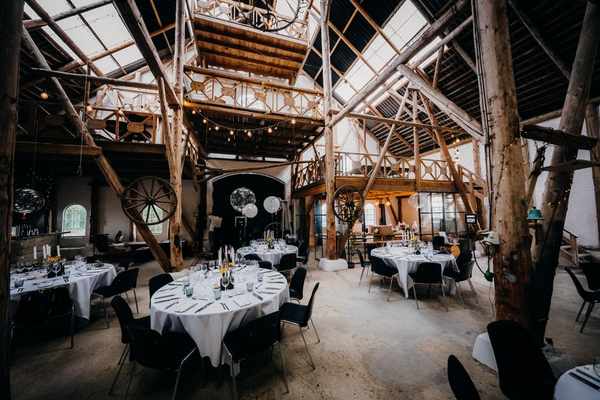
Barn wedding venues in the UK can feel wonderfully relaxed: exposed beams, countryside views and space to make the day your own. Yet a converted farm building works differently from a hotel ballroom. The attractive gravel courtyard might be difficult for wheelchairs, the high roof might lose heat after sunset, and the nearest taxi company might be miles away. Before paying a deposit, look beyond the photographs and test how the venue will work from guests’ arrival to their final departure.
Confirm Where the Legal Ceremony Can Take Place
Do not assume that a barn can host a legally recognised wedding simply because it advertises ceremonies. In England and Wales, civil marriages at a venue generally require approved premises; ceremonies outdoors within approved grounds are possible subject to conditions. In Scotland, ceremonies may take place in a wider range of locations, but you need an authorised celebrant or registrar. Northern Ireland has its own approval arrangements.
Ask which spaces are suitable for your plans, who coordinates with the registration service and what happens if your preferred location cannot be used. A celebrant-led celebration and the legal marriage are not automatically the same event. Check with the relevant registration authority before committing.
Walk the Entire Guest Route, Not Just the Barn
A rural wedding venue may involve narrow lanes, uneven farm tracks and parking on grass. Visit at the same time of day as your proposed wedding and follow the route a guest would take from the main road to their seat.
Access, Parking and Accessibility
Find out whether coaches can turn, how many cars can park on firm ground and whether there is an alternative if a field becomes muddy. Inspect steps, door widths, accessible toilets and routes between the ceremony, drinks reception and dining area. A venue describing itself as accessible should explain the actual route, not simply point to a ramp.
Ask about lighting after dark. A lantern-lit path may look romantic but still need reliable illumination for older guests and anyone carrying a child.
Check Heating, Ventilation and the Weather Backup
Barns often have generous ceiling heights and large doors, making temperature control difficult. Ask whether heating covers the whole occupied space, when it starts and whether it costs extra. Visit in the season you intend to marry rather than assuming a sunny viewing reflects a November evening.
Summer brings different questions: can doors open for airflow and are there shaded areas? For rain, request a specific indoor plan for the ceremony, photographs and reception drinks. The backup space must comfortably fit your actual guest count.
For example, if drinks are planned for a lawn, ask staff to demonstrate where 90 guests, a bar and a musician would go during heavy rain. That walkthrough exposes problems a floor plan can hide.
Inspect Toilets, Power and Mobile Reception
A picturesque rustic wedding venue still needs dependable facilities. Check the number, location and condition of toilets, including accessible provision and whether guests must cross a courtyard to reach them. Ask who keeps them clean and stocked.
Confirm that catering equipment, lighting, entertainment and heating can run together on the available power supply. If generators are used, establish who maintains them and handles failures. Mobile reception may be patchy, so check how card payments and supplier communications will work.
Understand Catering and Supplier Restrictions
Some barn wedding venues offer complete packages; others supply the building while you organise almost everything. Neither approach is necessarily better, but the difference affects your budget and workload.
Ask whether there is a professional kitchen, refrigeration, drinking water and space for washing up. If caterers work from a temporary setup, establish where vehicles unload and waste is collected. Confirm whether the venue requires approved suppliers or accepts your choices.
Florists, photographers and bands need practical access too. Low doorways, restricted vehicle routes and short setup windows can affect deliveries. Review supplier arrangements before paying anyone a deposit.
Ask About Music, Noise and Neighbours
Barn settings can feel secluded without being far from neighbouring homes. Check rules for amplified music, outdoor speakers and when entertainment must finish. Some venues use sound limiters that can interrupt a band’s equipment above a set threshold.
Ask where musicians may set up, whether doors must remain closed during dancing and when guests must leave. If you want fireworks, fire pits or confetti, seek explicit permission rather than assuming a countryside location allows them.
Price the Whole Day, Not Just the Hire Fee
A low headline price may exclude furniture, crockery, staffing, heating, cleaning, waste removal or extra setup time. Request an itemised quotation identifying fixed charges, guest-dependent costs and optional extras.
Check payment dates, cancellation terms, insurance requirements and responsibility for damage. Confirm when suppliers can arrive and decorations must be removed. A one-day hire can become stressful when every supplier must install and clear everything within tight hours.
Plan How Guests Will Get Home
Remote locations can be difficult for taxis, particularly late at night. Test the postcode in a navigation app and ask whether drivers find the correct entrance. Check accommodation, coach access and whether pre-booked transport can wait safely on site.
A clear wedding guest transport plan is better than simply advising everyone to book a taxi. Give guests realistic directions, an arrival window and transport contacts ahead of the day.
Take a Practical Barn Venue Checklist to Your Viewing
Bring your estimated guest number, draft timings and supplier list. Ask the coordinator to show you the wet-weather ceremony position, accessible route, catering entrance, dance area and parking exit. Photograph practical details, not only attractive corners.
Compare venues using consistent wedding venue questions to ask before booking, and consider a separate wedding day timeline for supplier arrivals and guest transfers. The right barn wedding venue delivers the atmosphere you love while keeping the day manageable for everyone.
Frequently Asked Questions
Can you legally get married in any barn in the UK?
No. Rules depend on the UK nation and ceremony type. Check venue approval and registrar or celebrant arrangements with the appropriate authority before booking.
Are barn wedding venues suitable for winter weddings?
They can be if heating, indoor space, accessible routes and bad-weather transport are well managed. Ask how the venue operates on cold, wet evenings.
What hidden costs should we look for?
Potential extras include furniture, additional toilets, heating, generator hire, cleaning, staffing and late departures. Request a complete written breakdown for your event.
How early should we check supplier access?
Before signing the contract. Confirm unloading areas, setup windows, supplier policies and equipment restrictions before placing deposits.
Choose a Barn That Works as Beautifully as It Looks
The best barn venues combine countryside character with clear operating plans. Inspect less glamorous details, request written answers and picture the day in poor weather as well as sunshine. If the venue can explain everything from the ceremony to the final taxi, you can book with greater confidence.