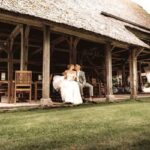
The best proposal footage rarely looks like a production. It feels immediate: a nervous pause, a surprised expression and the few seconds after the question when both people forget the camera exists. Capturing that honestly takes more planning than simply pressing record.
The aim is to keep the camera secret from your partner until the proposal, not to ignore privacy or venue rules. Choose a method that fits the location, test it in advance and make sure your partner is comfortable with the images before posting them publicly.
Choose the Right Way to Capture the Moment
Hire a Hidden Proposal Photographer
A professional is the most reliable option when the images matter deeply. An experienced hidden proposal photographer can scout the location, select a discreet position and photograph from a distance with a longer lens. They should also know how to blend into a public setting without looking suspicious.
Share recent photographs of both of you, what you will be wearing, your planned route and the exact spot where you intend to stop. Agree on a signal, such as adjusting your jacket, so the photographer knows the proposal is seconds away.
Ask a Trusted Friend to Blend In
A friend can work well in a familiar park, restaurant or family gathering, provided they can remain calm. Give them one job: capture the proposal. Do not also ask them to arrange flowers, guide guests and protect the ring.
They might sit on a nearby bench or pretend to photograph the scenery. Ask them to start recording early rather than predicting the exact second you kneel. A longer clip is easier to trim than a missing reaction.
Use a Tripod in Plain Sight
A phone or small camera on a tripod can be discreet when it has a believable purpose. Set it up for a timed couple photograph, travel video or sunset shot, then let the video run. This works best in a quiet location where the equipment will remain secure.
Frame more widely than seems necessary. Excited people move and turn towards each other. Extra space gives you room to crop the final video without losing the ring or reaction.
Scout the Location at the Correct Time
Visit on the same day of the week and at roughly the planned time. Check the light, crowd levels, closing times, background noise and likely obstructions. A beautiful viewpoint may be crowded, backlit or windy when the proposal actually happens.
Choose a precise marker such as a particular tree, paving stone or bench. “Near the lake” is too vague when a photographer is composing from a distance. Send a map pin and a photograph of the position.
Ask the venue whether photography, tripods or professional equipment require permission. Avoid restricted areas and never hide a device in bathrooms, changing spaces, private rooms or anywhere people reasonably expect privacy.
Plan the Angle Before the Surprise
The camera should see both faces if possible. A side angle often works better than filming directly behind the person proposing, where the recipient’s reaction may be hidden. Keep the ring box visible without making it the entire composition.
For candid proposal photos, review the background too. Remove bins, signs, parked cars and bright distractions where possible. Outdoors, keep the horizon straight and avoid placing a tree or lamp post directly behind either person’s head.
Set Up the Camera for Reliability
Prioritise Focus, Storage and Battery
Clean the lens, charge the battery and clear enough storage before leaving home. Put the phone in airplane mode if an incoming call could interrupt recording. Lock focus and exposure when the camera app allows it, especially against a bright sunset.
For video, 4K offers cropping room, but stable 1080p is better than high-resolution footage that stops because the device overheats or runs out of space. Test the expected recording length beforehand.
Record Useful Audio Carefully
Clear audio adds emotion, but wind and distance often overpower voices. A phone placed reasonably close may capture sound better than a distant camera. Do not secretly attach a microphone to your partner or record private conversations before the proposal. Audio-recording rules vary, and respect matters even when the visual surprise is welcome.
Create a Simple Communication Plan
Proposal videography tips often focus on equipment, but coordination prevents more failures than expensive gear. Give the photographer a realistic arrival window and a live update if you are delayed. Agree on what happens if the spot is occupied, rain begins or your partner changes the route.
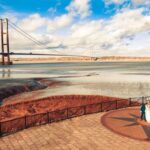
Imagine you plan to propose beside a riverside railing at 6:30 pm. The photographer arrives early and texts a green tick. Your backup is a bench 30 metres away. As you approach, you touch your watch as the signal, turn your partner towards the open view and pause before asking. That small sequence gives the camera a clear angle without making the moment feel staged.
Protect the Surprise Without Acting Strangely
Keep the cover story simple. A dinner reservation, weekend walk or sightseeing stop is easier to remember than an elaborate invented event. If you want your partner dressed for photographs, choose an occasion where dressing up feels natural.
Do not repeatedly check your phone, force them onto an exact mark or become frustrated by small delays. The camera plan should adapt to the proposal, not make the proposal serve the camera.
Capture What Happens After the Question
Let the camera continue running. The hug, laughter, phone calls and first look at the ring may become more meaningful than the kneeling shot. A professional can reveal themselves after a minute and take a few relaxed portraits while the emotion is fresh.
Useful related topics include choosing the best proposal location, what to say during a proposal and planning an engagement celebration.
Frequently Asked Questions
Is a phone good enough to film a proposal?
Yes, when it is stable, correctly framed and tested in the actual lighting. A modern phone on a secure tripod can produce excellent footage, although a professional offers more reliable focus, angles and backup equipment.
How far away should a hidden photographer stand?
The distance depends on the lens, crowd and setting. They should be far enough to remain unnoticed but close enough for a clear view without people repeatedly crossing the frame. Let the photographer decide after scouting.
Should I photograph or film the proposal?
Video preserves voices and movement, while photographs are easier to print and share. When possible, use a professional who can provide both or arrange a locked-off video camera alongside still photography.
Can I post the proposal online immediately?
Ask your new fiancé or fiancée first. They may love the surprise but prefer to review the footage, tell family privately or keep an emotional moment off social media.
Keep the Moment Bigger Than the Content
Learning how to secretly film a proposal is really about removing uncertainty before the day. Scout the setting, choose one dependable camera method, create a backup plan and then stop managing the production. The most valuable result is not a flawless viral clip. It is an honest record of a moment that still felt private while it was happening.