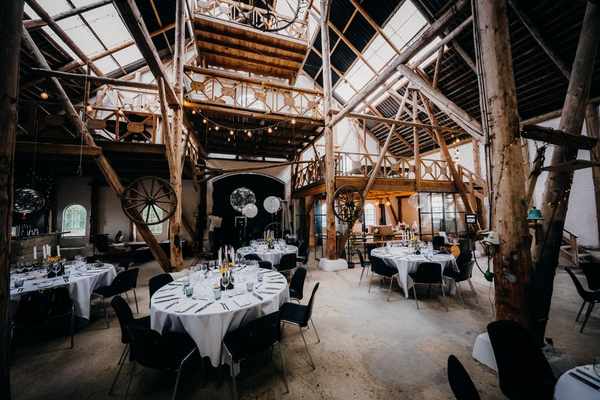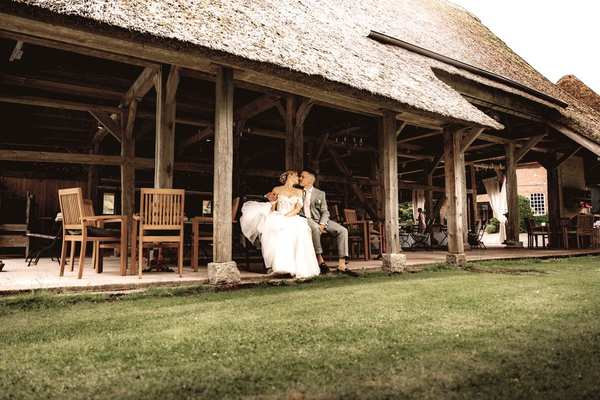
The appeal of countryside wedding venues in the UK is easy to understand: open views, characterful buildings and space away from busy streets. Yet the same features can complicate the day. A winding lane may be lovely in photographs but awkward for a coach. The nearest hotel might be miles away, and mobile reception can disappear when guests need directions.
Choosing a countryside wedding venue means assessing how the place works, not simply how it looks. Practical checks before paying a deposit can prevent stressful journeys and unexpected charges.
Test the journey, not just the postcode
A venue can appear conveniently located on a map but be difficult to reach. Visit using the route guests are likely to take, ideally at a similar time. Look for narrow lanes, sharp turns, steep approaches and entrances that are easy to miss after dark.
Ask whether coaches and delivery vehicles can reach the property safely. Some country wedding locations have a separate service entrance or restricted turning space. Check parking capacity, including whether grass areas become muddy after rain and whether accessible parking is near the building.
Give guests written directions with the correct entrance, a map pin and landmarks. A postcode alone may lead drivers to a neighbouring farm.
Make guest transport part of the plan
Transport is a major difference between an urban celebration and a rural wedding venue. Public transport may finish early, taxi fleets can be small, and ride-hailing availability should never be assumed. Guests planning to drink need a reliable journey home.
Work backwards from the evening’s end
Contact local taxi and minibus operators before booking. Ask about advance reservations, vehicle capacity, accessible options, late-night availability and pickup space. Confirm pricing and whether an operator can make several return trips.
Imagine 80 guests at a barn wedding, with 25 staying at a hotel 15 minutes away. A single small minibus leaving when the music ends could create a long queue. Two advertised departures, with suitable capacity and loading time, may work better. Share the pickup point and schedule before the wedding.
A wedding guest transport checklist can help align accommodation, arrival times and evening departures.
Check accommodation before guests commit
On-site bedrooms are convenient, but room counts rarely tell the whole story. Find out who gets priority, how many rooms are accessible, whether minimum stays apply and when reservations must be confirmed.
If guests will stay elsewhere, identify options at different prices and check actual driving distances. A village that looks nearby may be connected by slow rural roads. Ask accommodation providers about check-in times, breakfast and transport.
Parents with young children, older guests and people without cars may need extra support. Do not describe hotels as convenient until you have checked the journey.
Demand a workable bad-weather alternative
Outdoor ceremonies, garden drinks and field parking depend on the weather. A backup room is useful only if it holds the entire guest list and can be prepared without disrupting the schedule.
Walk through the wet-weather plan. Where will the ceremony, reception and photographs happen if rain continues? Are paths firm and lit? Is there shelter between buildings, and can wheelchair users avoid gravel or muddy grass?
In England and Wales, civil marriages at approved premises may take place in qualifying outdoor areas under relevant conditions. Confirm that the intended ceremony location is permitted; not every lawn automatically qualifies. Legal arrangements differ across the UK, so check with the relevant registrar.
A wedding weather contingency plan is useful when comparing attractive outdoor spaces with reliable indoor facilities.
Understand suppliers’ practical needs
Before hiring caterers, florists, entertainers or a marquee company, establish what the site supports. Ask where vans unload, when access begins, whether vehicles may cross lawns and when equipment must be removed.
Check power capacity, water, kitchen facilities, waste disposal, noise limits and restrictions on generators. These details matter especially for dry-hire barns and remote estates. Suppliers may charge more when extra staff, equipment or travel is required.
Get written clarity about preferred-supplier requirements and exactly what the venue provides. A wedding venue questions checklist can reveal the difference between the hire price and the cost of making the site ready.
Check signal, lighting and basic comfort
Patchy mobile coverage matters when guests are arranging taxis or suppliers need help. Test reception with different networks and ask whether guest Wi-Fi reaches the ceremony space, car park and accommodation.
Inspect path lighting, toilets, step-free routes, heating, baby-changing facilities and shelter for people waiting for transport. Signage should remain visible after sunset, particularly when celebrations span several buildings.
Appoint a named venue contact whom guests and suppliers can approach if directions fail, vehicles are delayed or the weather changes plans.
Read the contract through a rural lens
The advertised price may exclude exclusive use, cleaning, furniture, security, staffing or outdoor structures. Request an itemised breakdown and check deadlines for deposits, guest numbers and supplier access.
Look closely at music curfews, outdoor restrictions, cancellation terms and responsibility if part of the property becomes unusable. Ask who decides when a weather backup is activated and whether the change costs extra.
A country wedding location should feel peaceful, but the arrangements must also be predictable.
Frequently asked questions
Are countryside wedding venues in the UK harder to reach?
Sometimes. Narrow lanes and limited public transport can complicate access. Check routes for cars and coaches, provide clear directions and organise guest transport where needed.
Should we reserve taxis before sending invitations?
You need not finalise every journey, but contact operators early. Their availability may affect accommodation advice, finishing times and whether a shared shuttle is worthwhile.
Can we legally marry outdoors at a rural venue?
That depends on the UK nation, ceremony type and site. Outdoor civil ceremonies can take place at qualifying approved premises in England and Wales, subject to conditions. Confirm details with the venue and registration service.
What should we ask on our first venue visit?
Prioritise access, parking, accommodation, wet-weather capacity, supplier facilities, mobile signal and total costs. Inspect the spaces in person rather than relying only on photographs.
Choosing a setting that works for everyone
The best countryside wedding venues in the UK combine atmosphere with careful organisation. Trace a guest’s experience from the correct gate to a safe journey back to their room. Then consider a supplier arriving with equipment and a guest navigating the venue in rain.
If those journeys work, everyone can enjoy the rural scenery without being distracted by the logistics behind it.