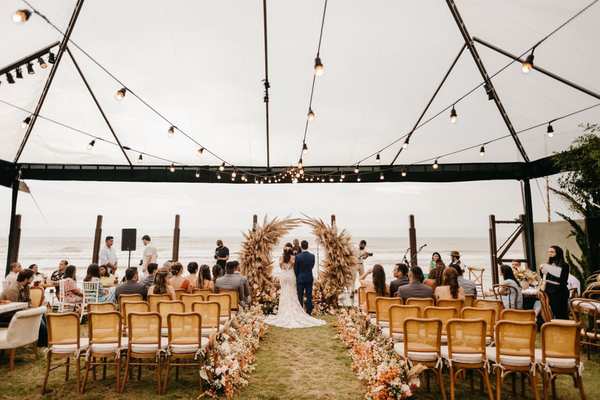
An 18-month engagement gives you room to make decisions without turning every weekend into a wedding task. A useful 18 month wedding planning timeline should secure high-demand bookings early, spread costs sensibly and leave flexible decisions until they are easier to make.
Your 18-Month Wedding Planning Timeline
18 Months Before: Set Priorities and Budget
Agree what matters most to both of you, whether that is the venue, food, photography, music or keeping the guest list small. Set a realistic total budget and create a tracker for deposits, balances and due dates. This gives your long engagement wedding plan a clear financial framework.
17 Months Before: Draft the Guest List
Create an initial guest list and separate definite guests from possible invites. Your likely numbers will affect venue capacity, catering and accommodation. Ask families for their names now, before you book a space with a fixed limit.
16 Months Before: Shortlist Venues
Compare venues by more than appearance. Check ceremony options, seated capacity, accessibility, transport, parking, accommodation, curfews, catering rules and what the hire price actually includes. For a UK wedding, consider seasonal daylight and how wet-weather plans would work.
15 Months Before: Book the Venue and Date
Once you find the right venue, review the contract before paying a deposit. Confirm the date, spaces included, payment schedule, cancellation terms, minimum guest numbers and supplier restrictions. A fixed date becomes the anchor for the rest of your wedding planning schedule.
14 Months Before: Book Priority Suppliers
Popular photographers, videographers, bands and DJs can book well ahead, particularly for peak-season Saturdays. Contact priority suppliers first. Compare packages and ask about travel, overtime, setup and cancellation terms rather than judging on headline price alone.
13 Months Before: Choose the Overall Style
Start defining colours, flowers, stationery and table styling. Avoid buying every decorative detail yet. A clear direction helps supplier conversations while leaving freedom to change smaller choices later.
12 Months Before: Confirm the Ceremony Route
Decide whether you are planning a civil, religious or belief ceremony and check the process for the nation where you are marrying. Marriage notice rules are not identical across England and Wales, Scotland and Northern Ireland, so use the relevant registrar guidance rather than a generic UK checklist.
11 Months Before: Start Outfit Shopping
Begin looking for wedding outfits, especially if you expect made-to-order clothing or significant alterations. Think practically too: stairs, grass, weather and footwear can influence what feels right.
10 Months Before: Arrange Catering and Drinks
If catering is not included with your venue, shortlist and book it now. Discuss dietary requirements, children’s meals, supplier meals, evening food and drinks service. Ask when final numbers are due so that deadline can be added to your planning calendar.
9 Months Before: Book Flowers, Styling and Cake
Speak to florists, venue stylists and cake makers with your preferred look and realistic budget. Ask what works naturally in your wedding season rather than forcing every detail to match an online inspiration image.
8 Months Before: Send Save-the-Dates
Send save-the-dates once the venue and date are secure, particularly when guests need to travel or book accommodation. For example, if you are marrying in Cornwall over a bank-holiday weekend, early notice can help guests secure rooms before local availability becomes limited.
7 Months Before: Plan Accommodation and Transport
Check hotels, taxis and transport around the venue. If many guests will stay in one area, a coach or shuttle may be practical. Review accessibility and confirm transport for the wedding party.
6 Months Before: Prepare Invitations
Finalise invitation wording and your wedding website if you are using one. Include clear RSVP instructions, timings, transport and accommodation guidance. This is also a useful stage to review wedding guest list planning so you can resolve uncertain invitations before printing.
5 Months Before: Plan the Honeymoon and Gift List
If you are travelling soon after the wedding, check passport validity, insurance and current entry requirements for your destination. Decide whether you want a gift list, contributions towards an experience or no gifts, then communicate that politely.
4 Months Before: Send Invitations
Send formal invitations with an RSVP deadline that leaves time to chase missing replies before final numbers are due. Keep responses in one place. At this stage, your 18 month wedding checklist should shift from major bookings towards coordination and confirmation.
3 Months Before: Handle Ceremony Details and Timings
Confirm legal and ceremony arrangements and complete notice requirements within the correct window. In England and Wales, most couples must give notice at least 29 days before the ceremony, while Scotland and Northern Ireland use their own notice processes and timings. Confirm directly with the relevant registrar. Schedule beauty trials and draft the wedding-day running order.
2 Months Before: Chase RSVPs and Build the Running Order
Follow up with guests who have not replied, update dietary information and start the seating plan. Confirm readings, music, speeches and supplier arrival times. Share a draft running order with the venue and key suppliers so clashes are found before the wedding week.
1 Month Before: Confirm Everything in Writing
Reconfirm guest numbers, balances, delivery times, contact details and final requirements with every supplier. Finish the seating plan, prepare place cards, break in your shoes and pack venue items in labelled boxes. Keep this month focused on confirmation rather than adding new projects.
How to Use the Extra Time Well
The best early wedding planning approach is to alternate busy months with lighter ones. You do not need to make every decision simply because you started early. Book choices that depend on availability first, then let taste-based details develop gradually. A monthly budget and task review is usually more useful than checking wedding plans every day.
Natural next-step topics for your planning include wedding budget planning, creating a wedding guest list and choosing a UK wedding venue. Keeping those subjects in separate guides helps this timeline stay focused and easy to follow.
Frequently Asked Questions
Is 18 months too early to plan a wedding?
No. It can be especially useful for popular venues, peak-season dates or weddings involving significant travel. The key is to spread decisions rather than booking every small detail immediately.
What should be booked first for a UK wedding?
Usually the venue and date come first, followed by suppliers whose availability matters most to you, such as photography, entertainment and catering where it is not included.
When should we send invitations?
For many weddings, formal invitations can go out a few months before the date, while save-the-dates are sent earlier. Holiday weekends, remote venues and international guests may justify more notice.
When should we deal with legal marriage paperwork?
Check the official rules for the nation where you are marrying and your ceremony type. Add the registrar’s notice period and document deadlines to your schedule well before the final weeks.
A Calmer Route to the Wedding Day
An 18-month plan works best when it creates breathing room rather than a longer period of constant planning. Secure decisions that depend on availability, revisit the budget regularly and leave flexible details until they genuinely need attention. By the final month, aim for fewer new decisions, clear written confirmations and enough space to enjoy the build-up.