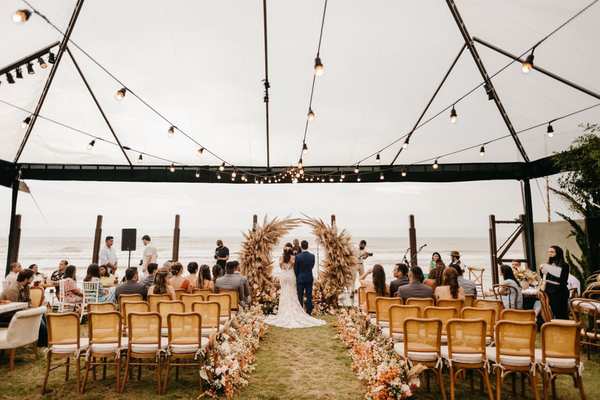
Asking for a blessing before proposing can feel surprisingly nerve-racking. You may be certain about your relationship yet still rehearse the conversation in your head: What should you say? Should you ask one parent or both? Will it sound old-fashioned? A modern blessing conversation does not need to be stiff or uncomfortable. It is less about seeking ownership-style permission and more about showing respect, acknowledging family bonds, and sharing your intentions before a major life milestone.
Understand what you are actually asking for
Traditionally, someone might have spoken to a bride’s father and asked for permission to marry her. That approach can feel outdated because it suggests the person being proposed to is not fully in control of their own decision. Modern proposal etiquette usually works better when you ask for a blessing or support instead.
The distinction matters. You are not handing the decision to the family. You and your partner are choosing a life together. The conversation simply says, “I respect your relationship with the person I love, and I hope you will support us.” That keeps the tradition meaningful without ignoring equality or independence.
Talk to your partner about the tradition first
A surprise proposal does not require every surrounding detail to be a surprise. Before arranging a family conversation, find out how your partner feels about asking parents permission to propose. Some people see it as a warm family tradition. Others dislike it or have complicated family relationships that make it inappropriate.
You can raise the subject without revealing your plan. During a general conversation about weddings or engagements, ask, “How do you feel about speaking to family before a proposal?” Listen carefully rather than assuming that family expectations matter more than your partner’s preference.
Choose the right person, setting, and timing
There is no universal rule saying you must speak to one particular parent. You might talk to both parents together, meet with each separately, include a guardian, or speak with another close family member. Let your partner’s relationships and family traditions around engagement guide the decision.
Whenever possible, have the conversation in person. A quiet home visit, coffee, or relaxed meal feels more natural than a formal appointment. If distance makes that impossible, a video call is personal and respectful. A rushed text message is best avoided unless that is genuinely how the family prefers to communicate.
A few weeks before the proposal is often a good time. Your plans should be real, but the family should not receive a hurried call moments before you propose. Avoid birthdays, family crises, crowded celebrations, or times when someone is distracted by work or travel.
What to say when asking for a blessing before proposing
You do not need a long speech. The most useful blessing conversation tips are simple: be sincere, say what your partner means to you, and make your intentions clear. Thank the family member for speaking with you, then explain why you wanted to include them.
A straightforward example
You could say: “I love Maya very much, and building a future with her feels like the right next step for us. I’m planning to ask her to marry me, and before I do, I wanted to speak with you because I respect how important you are in her life. I would be grateful to have your blessing and support.”
This wording is direct without sounding like a transaction. It also avoids asking the family to make the decision on your partner’s behalf.
A more personal version
If you know the family well, mention a quality you admire in your partner. For example: “One of the things I love most about Sam is how loyal and generous she is. I can see how much of that comes from her family. I’m planning to propose, and it would mean a lot to know that you support us.”
A specific detail makes the conversation genuine. It shows that you are not completing a traditional checklist; you are recognising the people who helped shape your future spouse.
Be ready for reasonable questions
Family members may ask about your plans, especially if the engagement feels unexpected. They might want to know whether you have discussed marriage, where you hope to live, or how you approach finances. You do not need to reveal the proposal date or every surprise, but you should be able to speak calmly about your shared future.
Related planning may include choosing an engagement ring, planning a meaningful proposal, and deciding when to announce an engagement. Keep this conversation focused on your commitment rather than event logistics.
How to handle an awkward or negative response
Someone may be surprised, hesitant, or disapproving. Stay calm, ask what concerns them, and avoid arguing or revealing the proposal in frustration.
Listen for the difference between a practical concern and an attempt to control your relationship. A family member may raise an issue that deserves reflection. Objections based on prejudice, status, or personal control should not be given the same weight.
You can respond: “I appreciate you being honest. I care about your relationship with Alex, so I wanted to hear your concerns. I will think about what you have said, but the decision about our future belongs to Alex and me.” This maintains respect without surrendering healthy boundaries.
Keep the proposal centred on your partner
The family’s blessing is not the engagement. Your partner still gets to decide freely, and the proposal should reflect their personality rather than family expectations. Avoid saying, “Your parents already agreed,” as though their answer has been predetermined.
Agree on confidentiality before you leave. A simple request such as, “I would love to keep this private so the proposal remains a surprise,” is usually enough. If someone tends to share news, limit details about the date, place, or ring.
Frequently asked questions
Do I need to ask both parents for a blessing?
No. Speak to the people your partner considers important. That may be both parents, one parent, a guardian, grandparents, siblings, or chosen family. The respectful choice depends on the relationship, not a fixed rule.
How long before proposing should I ask?
A few weeks beforehand is often practical, but there is no required timeline. Ask when your plans are serious and you can have an unhurried conversation without making relatives keep the secret for months.
Can I ask for a blessing over the phone?
Yes. An in-person conversation is ideal when practical, but a thoughtful video or phone call is appropriate for long-distance families. Sincerity matters more than the format.
What if my partner does not want me to ask?
Respect their preference. The tradition should never matter more than your partner’s comfort or autonomy. You can still show respect by sharing the engagement news personally after the proposal.
Make the tradition personal rather than performative
Asking for a blessing before proposing works best when it reflects the real relationships involved. Speak to your partner first, choose the right family members, keep your wording sincere, and make it clear that you are asking for support rather than control. A short, honest conversation can turn an intimidating obligation into a meaningful moment of connection before you begin the next chapter together.