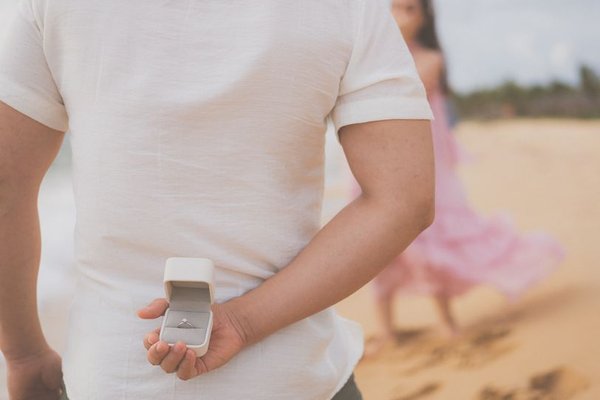
There is something moving about a proposal that feels completely in the moment: the surprised pause, the nervous laugh, the instant someone realises what is happening. Couples increasingly prefer candid memories they can relive and share. Learning how to secretly film a proposal is less about creating a perfect performance and more about protecting the surprise while capturing the real emotion clearly.
The best results come from simple planning. You do not need complicated equipment. A trusted friend, a discreet camera position and a realistic understanding of the location can be enough. Prepare carefully, then let the proposal unfold without interruptions.
Start With the Location, Not the Camera
Before choosing equipment, study the setting. Think about where you will stand, which direction your partner will face and what will appear in the background. A beautiful location can still be difficult to film if the light is behind you, crowds block the view or there is nowhere safe to place a camera.
Visit the spot at roughly the same time of day if possible. Notice how people move through the area, whether sunlight creates harsh shadows and whether noise could overpower your voices. Choose one clear proposal position with a natural reason to stop there, such as a viewpoint or bench. This gives your hidden proposal photographer or camera operator a reliable frame.
Choose the Right Secret Filming Method
Ask a Trusted Friend to Blend In
A friend with a phone or camera is often the easiest option. They can pretend to take landscape photos, wait for someone or casually use their phone. They should arrive early, avoid obvious eye contact and stand far enough away that your partner does not recognise them immediately.
Give precise instructions rather than saying, “Just film it.” Explain where you expect to stand, when the proposal will begin and whether you want vertical or horizontal video. Horizontal footage suits longer edits, while vertical footage suits social media.
Use a Tripod That Looks Natural
A tripod works well when it fits the setting. At a picnic, a phone on a small tripod may look like it is being used for a timed photograph. At home, the camera can sit on a shelf or table as though it is recording a casual video.
Set the frame wider than you think you need. People rarely stand exactly where planned. A wider shot protects against someone stepping partly out of frame, and you can crop the footage later. Secure the tripod carefully.
Book a Professional Who Can Stay Invisible
A professional is useful when the setting is busy, the lighting is difficult or the moment cannot be repeated. An experienced hidden proposal photographer can keep a natural distance, use a longer lens and anticipate the reaction without directing either person.
Share recent photographs of yourselves and agree on the exact location, clothing, arrival time and backup plan. The most useful proposal videography tips are practical: choose a simple signal, avoid changing the plan without warning and keep your phone available if the location becomes inaccessible.
Make the Footage Look Candid, Not Staged
The most memorable candid proposal photos often include the moments before and after the question, not only the ring reveal. Ask the person filming to start early. The approach helps tell the full story. They should continue recording after the “yes” because the hug, laughter and first words may be just as meaningful.
Try not to look repeatedly towards the camera. This can reveal the setup and make the footage feel performed. Focus on your partner and speak naturally. A memorised speech is unnecessary, but know the two or three things you genuinely want to say.
One of the most reliable proposal photography ideas is a two-stage plan: secretly capture the proposal first, then take a few relaxed portraits afterwards. This gives you authentic reaction images and polished photographs without turning the proposal into a photoshoot.
Pay Attention to Sound and Lighting
Clear sound is often harder to capture than a clear picture. A distant camera may record wind, traffic or conversations instead of your words. If hearing the speech matters, use a small wireless microphone or place a second phone nearby with its voice recorder running. Make sure no device reveals the plan with a notification.
Aim to have the main light in front of you or slightly to the side. When the sun or a bright window is directly behind you, faces can appear dark. Soft morning or late-afternoon light is flattering, but a well-lit ordinary moment is better than a dramatic background where nobody can see the reaction.
Test Everything Before the Proposal
Do a full test, even if the setup seems simple. Check storage space, battery level, focus, exposure and recording limits. Put the phone in aeroplane mode so calls do not stop the video, while confirming that any Bluetooth microphone still works. Clean the lens too.
Record a practice clip from the planned position. Walk into the frame, kneel or stand as expected, then check whether both people remain visible and the sound is usable. A second phone can save the memory if the main camera stops, loses focus or becomes blocked.
Keep the Secret Without Making the Day Feel Strange
Overplanning can make your partner suspicious. Keep the schedule believable and avoid insisting on unusually specific clothing unless there is a natural reason. If they need to face a certain direction, use the view, a photograph or conversation rather than physically positioning them.
Limit the number of people who know. Each additional person increases the risk of an accidental message. Share only the details each helper needs, and choose one person to manage communication.
Frequently Asked Questions
How can I secretly film a proposal without a photographer?
Use a phone on a stable tripod, shelf or table and frame the scene slightly wider than necessary. Start recording early, switch off disruptive notifications and test the angle, lighting and sound beforehand. A second hidden phone provides useful backup.
Where should a hidden proposal photographer stand?
They should have a clear view of both faces while remaining far enough away to blend into the surroundings. A slight angle is often better than filming directly behind one person because it captures the question, reaction and ring without repositioning.
Should proposal video be vertical or horizontal?
Vertical video suits short-form social platforms, while horizontal video is more versatile for longer edits, televisions and keepsake films. When possible, record the main footage horizontally and use a second phone vertically.
What is the biggest mistake when filming a surprise proposal?
The biggest mistake is relying on an untested setup. Poor framing, low storage, weak sound or a flat battery can ruin an otherwise thoughtful plan. A short rehearsal and a backup device greatly reduce the risk.
Capture the Feeling, Not a Performance
Knowing how to secretly film a proposal lets you preserve a once-in-a-lifetime reaction without changing the moment itself. Plan the position, test the equipment and give any helper clear instructions, then stop thinking about the camera. The most powerful footage will not necessarily be the most polished shot. It will be the honest expression, the unexpected laugh and the few seconds when everything else disappears.